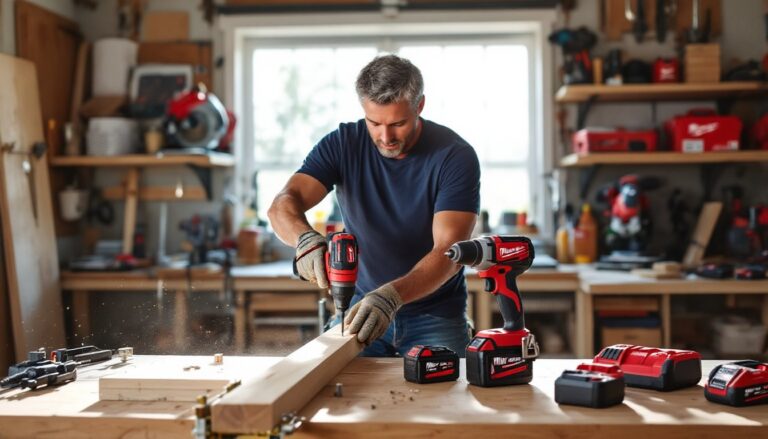
Whether you’re hanging drywall, building a deck, or assembling shelving, the right Craftsman power tools make the difference between a project that frustrates and one that flows. Homeowners increasingly gravitate toward Craftsman because the brand balances affordability, reliability, and real performance on actual job sites. Craftsman cordless tools, especially their modern battery-powered lineup, have transformed DIY from a weekend affair into something accessible, even for first-timers. This guide walks you through the essentials, helping you invest in tools that will live in your garage for years, not months.
Table of Contents
ToggleKey Takeaways
- Craftsman power tools balance affordability, reliability, and real performance, making them an ideal choice for DIYers and homeowners building their first toolkit.
- Cordless Craftsman power tools feature interchangeable battery systems and lithium-ion batteries that hold charges longer without memory effect, saving money and eliminating adapter frustration.
- Essential starter tools include a 20-volt cordless drill-driver ($99–$149), circular saw for crosscutting, miter saw for precision trim work, and jigsaw for curves—choose based on how often you’ll actually use each tool.
- A 1.5–2.0 Ah battery capacity offers the best balance between runtime and weight for most homeowner projects, and buying two batteries allows one to charge while you work with the other.
- Proper maintenance—storing batteries in cool, dry conditions, cleaning dust from motor vents, and inspecting blades and cords—extends the lifespan of your Craftsman power tools significantly.
- Hold tools in-store or borrow before buying to ensure the grip fits your hand and weight feels manageable, since ergonomics directly impact whether you’ll actually use the tool.
Why Craftsman Power Tools Stand Out in the Market
Craftsman has rebuilt its reputation over the past decade as a go-to brand for DIYers and professionals alike. The company focuses on delivering tools with genuine heft and durability, not plastic fluff dressed up as premium. Their Craftsman battery tools use interchangeable battery systems, meaning one charge powers drills, saws, and impact drivers across your collection. That ecosystem approach saves money and eliminates the frustration of hunting for the right power adapter.
The market is crowded with copycat cordless options, but Craftsman cordless tools distinguish themselves through straightforward ergonomics and honest performance specs. A Craftsman drill feels balanced in your hand: the trigger response is linear, not hair-trigger sensitive. Their lithium-ion batteries hold a charge longer than older NiCd models and don’t suffer from “memory effect,” so you can top them up anytime without penalty.
Cost-per-tool also matters. Craftsman rarely overcharges for basic functionality. You pay for what you use, not marketing or celebrity endorsements. That philosophy keeps barrier-to-entry low for homeowners building their first toolkit.
Essential Craftsman Power Tools Every Homeowner Should Own
Drills and Driver Sets
A 20-volt cordless drill-driver is your gateway tool. It handles fastening (driving screws into framing lumber or softwood), boring holes through studs for electrical runs, and light drilling in masonry with the right bit. Craftsman’s mid-range models (around $99–$149) pair a compact, lightweight body with enough torque for frame-and-finish carpentry.
The two-speed transmission matters: low speed gives control and raw torque for large fasteners: high speed zips through repetitive work like cabinet assembly. Expect 500–1,500 RPM on high, 0–400 RPM on low. A half-inch chuck (the part that grabs the bit) is sufficient for most homeowner jobs: larger chucks add heft without much practical benefit unless you’re driving lag bolts daily.
Driver-only sets skip the chuck for quick-change bits and focus on fastening alone. If your workload leans toward assembly and trim work, hanging cabinets, installing door hardware, fastening baseboards, a driver-only Craftsman might be all you need. The trade-off: you’ll still need a separate drill for holes.
Saws and Cutting Tools
A circular saw (6.5-inch blade, 5.8-amp corded or 20-volt cordless) crosscuts dimensional lumber and sheet goods (plywood, OSB, drywall) straight and fast. Corded models have unlimited runtime but tether you to an outlet and extension cord: cordless buys freedom but demands charged batteries. For DIYers doing occasional projects, cordless Craftsman circular saws offer a sweet spot, enough blade speed (4,000 RPM) to plow through 2x framing without bogging, and the battery lasts through a typical day of cutting.
A miter saw (chop saw) is the precision tool for trim and angled cuts. A 10-inch, single-bevel model from Craftsman (mains-powered) costs less than $200 and delivers repeatable 45-degree miters for crown molding, door trim, and fence pickets. The blade spins at roughly 3,800 RPM, fast enough to leave a clean kerf (cut) in hardwood. Unlike a circular saw, a miter saw is fixed in position, so you bring the wood to the blade, less freehand fumbling, more accuracy.
For jobsite versatility, a jigsaw cuts curves, notches, and interior openings (outlet boxes, plumbing penetrations). Craftsman cordless jigsaws handle wood and thin metal competently. Stroke length typically ranges 0.75 to 1 inch: faster strokes (2,500–3,000 per minute) suit thin material, slower strokes control thicker stock. A corded jigsaw runs about $60–$80 and poses no battery dependency if you’re cutting in short bursts.
Tool Reviews: The Ultimate guide can help narrow options by comparing specs and real-world performance.
How to Choose the Right Craftsman Tool for Your Projects
Start with honest self-assessment: What will you actually use this tool for, and how often? A homeowner framing a deck works differently than someone refinishing furniture or hanging drywall. Frequent use justifies a heavier, more powerful tool: occasional projects benefit from compact, lightweight designs that are easier to store and handle.
Battery capacity (measured in amp-hours, or Ah) directly affects runtime. A 1.3 Ah battery on a Craftsman drill is lighter but depletes faster on heavy jobs: a 2.0–4.0 Ah pack runs longer but adds weight. Most DIYers find 1.5–2.0 Ah a practical balance. Buy two batteries (or a fast charger) so one charges while you work with the other.
Voltage tells you tool power. Craftsman’s 20-volt lineup handles most home improvement work. Bigger contractors use 60-volt systems for sustained jobsite duty, but that’s overkill for weekend projects and burns through battery life in storage. Stick with 20-volt if you’re starting out: the tool selection is vast, and batteries are affordable.
Power alone doesn’t equal value. A tool you never touch because it’s too bulky or awkward wastes money. Hold the tool in-store or borrow a neighbor’s. Does the grip fit your hand? Is the trigger responsive? Does the weight feel manageable? Craftsman generally nails ergonomics, but fit varies person to person. Frameworks from instructables.com can guide your first project, helping you identify which tool classes you’ll actually need before buying.
Maintenance Tips to Keep Your Tools in Peak Condition
Cordless power tools are low-maintenance compared to vintage air-powered rigs, but neglect shortens their lifespan. Store batteries in a cool, dry place, heat and moisture degrade lithium-ion chemistry. Don’t leave a charged battery sitting unused for weeks: top it up every few months if storing through winter.
Clean dust and debris from air vents and motor openings after each session. A shop vacuum with a soft brush attachment or a dry cloth works. Dust insulates the motor and causes heat buildup. On drills and impact drivers, wipe the chuck occasionally with a lightly oiled rag to prevent rust and ensure consistent bit grip.
Inspect cords (on corded Craftsman tools) for cuts or exposed copper before plugging in. Replace damaged cords, don’t tape and hope. Check saw blades for dull teeth or cracks: dull blades require more pressure, overheat motors, and leave ragged cuts. A sharp blade is safer and faster. Tool Sharpening Services: Unlock your tools’ potential when professional touch-ups are needed, or learn to sharpen basic blades yourself using a file.
Store everything in a dry location. Moisture breeds rust on bare metal and corrosion on battery contacts. A wall-mounted pegboard, How To Organize Tools in your workshop, or a locked cabinet keeps tools visible, accessible, and protected. Organized storage also means you grab the right tool the first time instead of fumbling, faster work, fewer accidents.
Conclusion
Craftsman power tools deliver honest performance and durability without premium pricing, making them a smart choice for homeowners stepping into DIY. Whether you’re drawn to Craftsman battery tools for cord-free convenience or traditional corded models for unlimited runtime, the brand’s wide range means you’ll find something that fits your wallet and workflow. Invest thoughtfully, maintain consistently, and your Craftsman tools will anchor a workshop you’ll rely on for decades.