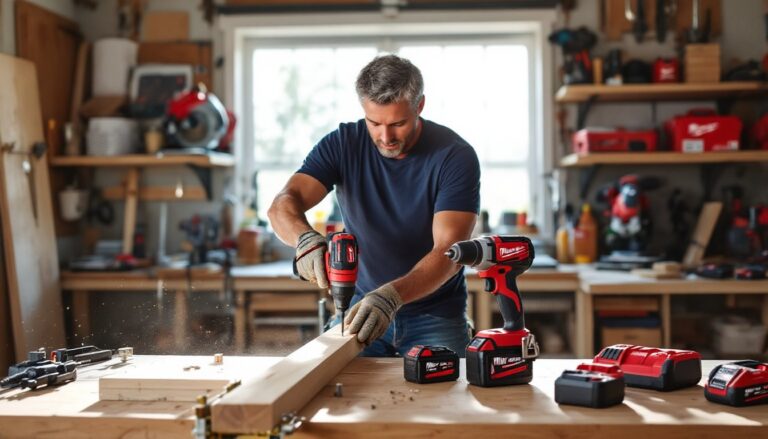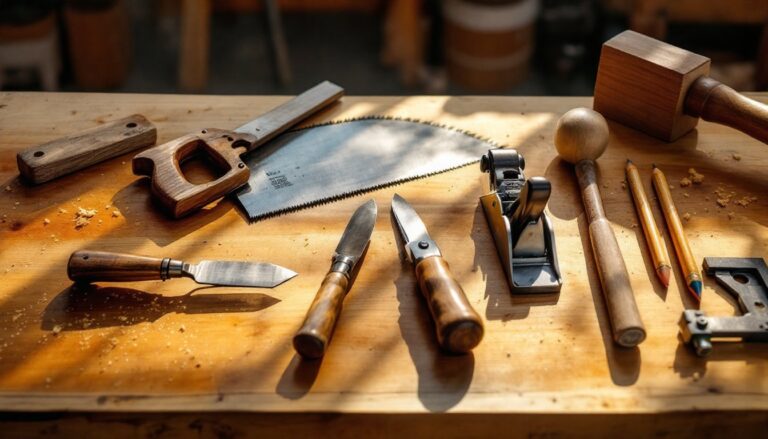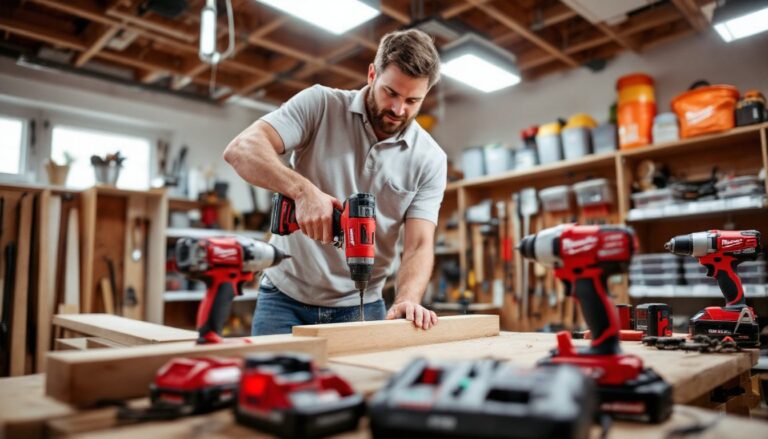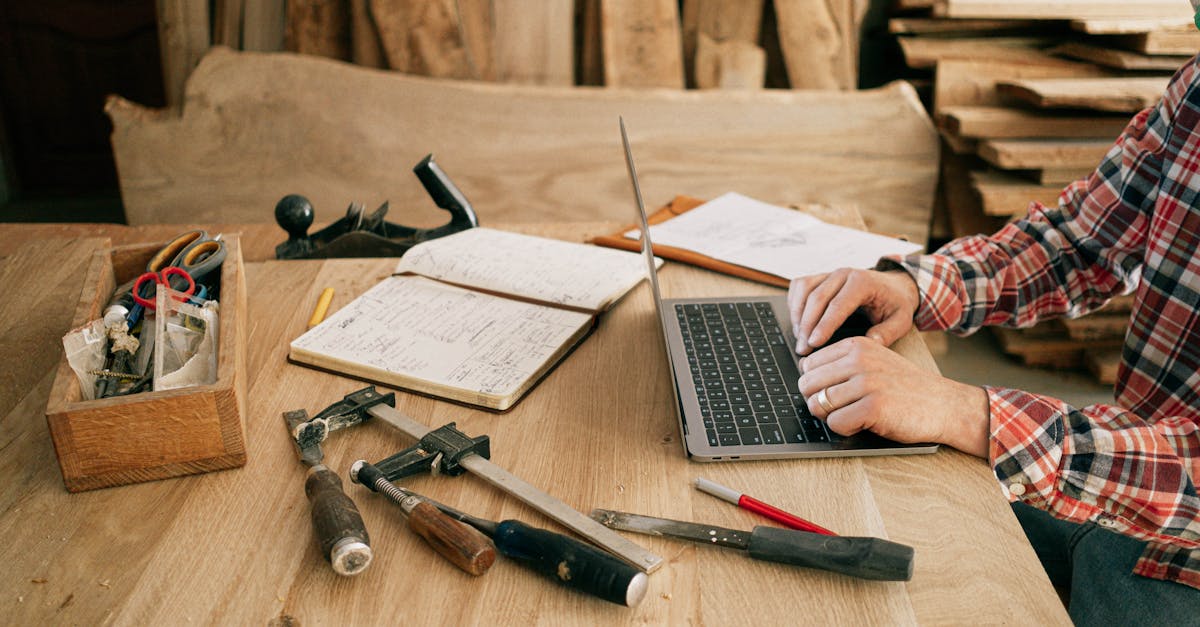
If you’ve ever found yourself fumbling for the right tool in a chaotic workshop, you’re not alone. We’ve all been there, navigating through a jungle of wrenches, drills, and nails. But fear not. Organizing our tools is not just possible: it can even be fun. Imagine stepping into your workshop and instantly knowing where everything is. Let’s jump into the art of tool organization and transform our cluttered space into a well-oiled machine.
Table of Contents
ToggleUnderstanding The Importance Of Tool Organization
Picture this: it’s a beautiful Saturday morning, and we’re ready to tackle a big project. We grab our coffee, wheel into the workshop, and, bam. Tools are everywhere. The importance of a well-organized tool space can’t be overstated. It means efficiency. It means safety. It means we can turn our brilliant ideas into reality without the hassle of searching high and low for that elusive screwdriver. When our tools are organized, we save time and can concentrate more on the fun bits of our projects.
Plus, there’s something undeniably satisfying about a tidy workshop that makes us feel like true professionals. Having a designated spot for each tool helps us keep track of them, reduces the likelihood of misplacing items, and eventually boosts our productivity.
Assessing Your Tool Collection
Before we can improve our workspace, we need to get familiar with what we’ve got. So, let’s tackle our tool collection. Grab a notepad and jot down every tool you own. This step often sparks nostalgia as we rediscover old favorites and realize we’ve got duplicates. It’s time to let go of the tools we no longer use. How long has that rusty saw been sitting at the back of the shelf? It may be time for it to go to a new home.
Consider categorizing our tools. Are we working with hand tools? Power tools? Accessories? By putting our tools into categories, we’re laying the groundwork for organizing them effectively. A bit of reflection at this stage can make all the difference in how smoothly the following steps go.
Choosing The Right Storage Solutions
Now that we have a solid grasp of our collection, it’s time to explore storage solutions. There are plenty of options available to suit our needs. First off, let’s discuss pegboards. They’re a popular choice for a reason. A pegboard allows us to hang tools securely while keeping them visible and easily accessible.
Tool chests, wall shelves, and cabinets are other excellent choices for organizing our tools. If we’re limited on space, stacking bins or drawer organizers can help us maximize vertical space. For smaller items like screws and nails, consider small containers with labels. Remember, the goal is to create a system that works best for us while ensuring everything has its own proper place.
Creating An Efficient Layout
With our tools categorized and storage solutions selected, it’s time to think about layout. A well-designed workspace is vital for efficiency. Let’s position frequently used tools at arm’s reach while placing others, like specialty items, a bit further away.
We should also consider workflow. If we’re working on a large project, layout should accommodate ease of movement. Also, ensuring that our work surface is clear and organized will let us focus. We lose creativity when overwhelmed by disorder. Allow for plenty of workspace, keeping essential items on the nearest surfaces. Align everything to foster a natural flow throughout our tasks.
Maintaining Your Organized Workspace
It’s one thing to organize our workshop: it’s another to maintain that organization. Regular check-ins are necessary. We can set aside a few minutes at the start or end of each workday to tidy up and put everything back in its designated spot. Not only does this help sustain organization, but it also fosters a habit of cleanliness that enhances our creativity.
Tips For Sustaining Tool Organization
- Daily Checks: Take a moment to put tools back immediately after use.
- **Periodic Cleanouts:**Schedule a quarterly deep clean to reassess our collection and purge unnecessary items.
- Label Everything: Use labels on shelves and drawers to remind us of where things belong.
By creating a culture of organization within our workspace, we ensure that it remains a haven for creativity and productivity.