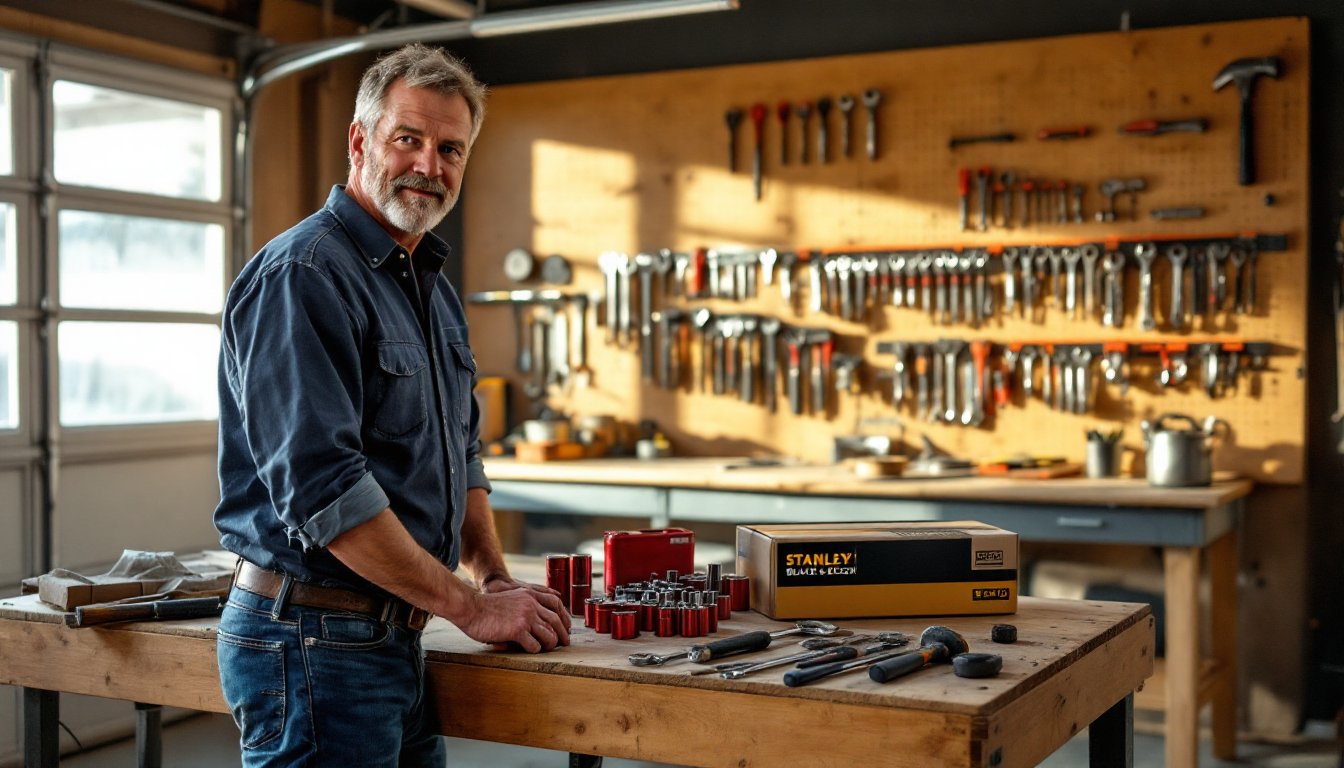
If you’ve shopped for hand tools or power tools recently, you might’ve wondered: who actually owns Craftsman now? The brand has changed hands several times over the past decade, and understanding the current ownership matters to DIYers who rely on these tools for everything from hanging drywall to building a backyard deck. Stanley Black & Decker currently owns Craftsman, and that acquisition reshaped the tool landscape significantly. Whether you’re stocking a first toolbox or replacing worn-out gear, knowing who makes Craftsman tools and where they’re manufactured helps you make informed purchasing decisions and set realistic expectations for quality and availability.
Table of Contents
ToggleKey Takeaways
- Stanley Black & Decker has owned Craftsman tools since 2017, ending Sears’ 90-year exclusive ownership of the iconic brand.
- Craftsman tools are now widely available at Home Depot, Lowe’s, Amazon, Walmart, and specialty retailers instead of being limited to Sears locations.
- While modern Craftsman tools deliver solid mid-range performance, vintage Sears-era pieces are often considered more durable due to hand-finishing and different manufacturing priorities.
- The Craftsman lifetime warranty still applies but now requires online or mail-based claims rather than same-day replacements at Sears counters.
- Stanley’s ownership brings expanded product innovation, improved battery technology for power tools, and broader distribution channels, making Craftsman an accessible mid-tier choice for DIYers.
The Current Owner of Craftsman Tools
Stanley Black & Decker’s Acquisition
Stanley Black & Decker purchased the Craftsman brand in 2017, ending Sears’ 90-year run as the original owner. The deal was a landmark moment: Sears agreed to license the Craftsman name and trademark to Stanley, which meant a major brand was no longer tied to struggling retail. Stanley brought significant manufacturing expertise and distribution networks to the table, resources Sears lacked.
Why did this matter? Stanley Black & Decker is one of the world’s largest tool manufacturers. They own DeWalt, Stanley, and Black & Decker brands, giving them unmatched scale in production and retail placement. When Stanley took over Craftsman, it signaled that the brand would expand beyond Sears stores and reach Home Depot, Lowes, Amazon, and independent retailers. For DIYers, that meant better shelf availability and faster replacement options when a tool wore out.
Today, Sears’ agreement to sell the Craftsman brand to Stanley Black & Decker remains one of retail’s biggest pivots. The transaction fundamentally changed where and how homeowners buy Craftsman products. If you’re looking for Craftsman hand tools, power tools, or storage solutions now, you’re buying from Stanley’s supply chain, not directly from Sears.
A Brief History of Craftsman Ownership Changes
Craftsman didn’t always belong to Stanley. The brand has quite a journey:
Sears Era (1927–2017). Sears created Craftsman and owned it exclusively for 90 years. During this period, Craftsman became synonymous with reliable, affordable hand tools, hammers, wrenches, sockets, screwdrivers, stocked in every Sears hardware section. The brand built enormous consumer loyalty because Sears backed it with a legendary lifetime warranty. If a Craftsman tool broke, you walked into Sears and got a replacement, no receipt needed.
Stanley Black & Decker Era (2017–Present). When Stanley acquired Craftsman, the ownership model shifted from retailer-owned to manufacturer-owned. This meant Craftsman tools could be sourced and distributed like any other Stanley brand, reaching millions more customers through multiple channels. Stanley also introduced new power tool lines under the Craftsman name, expanding beyond traditional hand tools.
The ownership transition wasn’t seamless for all customers. Some complained that newer Craftsman tools felt less robust than vintage pieces from the Sears years. Others noticed price increases and changes to warranty terms. These shifts are natural when a 90-year-old brand moves from a struggling retailer to an industrial manufacturer focused on efficiency and profit margins.
What This Ownership Means for Craftsman Tool Quality and Availability
Stanley’s ownership brought both benefits and trade-offs for DIYers.
Availability and Selection. You can now find Craftsman tools almost everywhere, Home Depot, Lowes, Walmart, online retailers, and specialty stores. Pre-2017, you were mostly limited to Sears locations, which were already declining in many regions. Today’s broader distribution means you’re not stuck waiting for a Sears delivery: you can grab a replacement hand tool the same day.
Quality Considerations. Here’s where opinions diverge. Many veteran DIYers say vintage Craftsman hand tools (the Sears-era pieces) were heavier, tighter in fit, and more durable than current offerings. That’s partly because Stanley prioritizes cost efficiency and mass production over the hand-finishing that Sears sometimes invested in. But, modern Craftsman tools still deliver solid performance for most home projects. They won’t last 40 years like a 1970s Craftsman wrench might, but they’ll handle decades of weekend work if you maintain them.
Warranty Changes. The famous Craftsman lifetime warranty still exists, but it’s been refined. Modern coverage typically covers defects in materials and workmanship for the life of the original owner, with exceptions for misuse, abuse, or normal wear. You won’t get a same-day replacement at a Sears counter anymore: you’ll need to navigate Stanley’s warranty process online or by mail. That’s less convenient but still respectable compared to competitors.
Price. Stanley has repositioned Craftsman as a mid-tier brand, above budget options like Hyper Tough, but below premium names like Snap-On or Wiha. That pricing strategy makes sense for DIYers who want reliability without premium costs.
Where to Buy Craftsman Tools Today
Since Stanley Black & Decker now owns Craftsman, you have multiple purchasing options:
Big Box Retailers. Home Depot and Lowes stock extensive Craftsman hand tool and power tool selections. Both offer online ordering with in-store pickup, making it easy to grab a missing tool before starting a project. Prices are competitive, and return policies are straightforward.
Amazon. You’ll find virtually the full Craftsman catalog here, often with Prime shipping. Be careful to verify the seller is Amazon or an authorized distributor: third-party resellers sometimes list counterfeit or knockoff tools.
Specialty Tool Shops. Independent hardware stores and tool retailers often carry Craftsman items and can order specific products. These shops typically offer personalized advice, helpful if you’re unsure which tool suits your project.
Walmart and Online Marketplaces. Standard retail outlets carry basic Craftsman hand tools. Pricing varies, so comparison shopping pays off.
When shopping, remember that top power tool brands like Craftsman now compete directly with DeWalt, Makita, and Milwaukee in many categories. Don’t assume Craftsman is always the cheapest option: sometimes a competing brand offers better value or features for specific tasks like cutting drywall, running fasteners, or drilling masonry.
The Future of Craftsman: What DIYers Should Know
Looking ahead, Craftsman’s role in Stanley’s portfolio suggests continued focus on accessibility rather than premium positioning. You’ll likely see:
Expanded Power Tool Lines. Stanley has invested in Craftsman cordless drills, impact drivers, saws, and sanders to compete with established brands. These tools won’t replace high-end professional equipment, but they’re solid for home projects.
Continued Online and Retail Distribution. The days of Craftsman being Sears-exclusive are long gone. Expect wider availability, faster shipping, and more digital tools for managing warranty claims and product registration.
Product Innovation. Stanley brings engineering resources that Sears never had. New Craftsman products are more likely to incorporate modern battery technology, ergonomic improvements, and compatibility with universal tool platforms.
Mixed Quality Perception. The brand will likely remain polarized among DIYers: newer users happy with mid-tier pricing and performance: vintage Craftsman devotees maintaining their old tools because they prefer them. That’s normal for a brand that’s been around for a century.
As a practical matter, if you’re building a tool collection or planning home repairs, don’t be afraid of Craftsman, just understand what you’re getting. A Craftsman hammer is still a hammer: it’ll drive nails for decades. A Craftsman cordless drill will handle most home projects. Just don’t expect luxury features or industrial durability from a brand positioned at the accessible, mid-range level.
Conclusion
Craftsman is now owned by Stanley Black & Decker, a shift that transformed the brand from Sears’ flagship to a major manufacturer’s accessible product line. This ownership change expanded distribution, modernized the product line, and refined warranty processes, with some trade-offs in perceived durability compared to vintage pieces. For today’s DIYers, Craftsman tools remain a reliable, affordable choice available at nearly every major retailer. Whether you’re choosing between Craftsman and competitors, understanding the current ownership and manufacturing standards helps you stock your workshop with confidence.