Makita power tools have become a staple in garages and job sites because they reliably deliver performance without the bloat of unnecessary features. Whether you’re hanging drywall, building a deck, or tackling interior trim work, having the right cordless tools saves time and frustration. This guide walks you through the best Makita tools for home projects, why they earn their reputation, and how to pick models that fit your actual needs, not your Pinterest board. If you’re serious about DIY, understanding what Makita cordless power tools can do for you is worth the 10 minutes it takes to read this.
Table of Contents
ToggleKey Takeaways
- Makita cordless power tools dominate DIY and professional workshops because their batteries and chargers are cross-compatible across hundreds of models, letting you expand your toolkit without redundant equipment.
- A basic two-tool combo kit with an 18V drill and impact driver covers about 80% of household tasks, making it the ideal starting point for homeowners before adding specialized tools based on actual projects.
- Makita power tools offer excellent total cost of ownership through durability, resale value, and battery reuse—especially when purchased during seasonal sales that typically offer 15–25% savings on previous-generation models.
- Brushless motor technology in modern Makita tools runs cooler, lasts longer, and requires less maintenance than older brushed motors, backed by a three-year warranty and proven track record on job sites.
- Investing in a quality charger and higher-capacity batteries (5.0Ah) rather than accumulating more tools ensures sustained productivity throughout projects and eliminates the frustration of dead batteries mid-task.
- Safety gear including ANSI-rated eye protection, ear protection, and dust masks are non-negotiable baseline requirements when operating Makita circular saws, miter saws, and other power tools.
Why Makita Stands Out in the Power Tool Market
Makita earned its reputation by building tools that work, not by chasing trends. Their cordless platform dominates contractor and homeowner workshops alike because the batteries and chargers are cross-compatible across hundreds of models. If you buy a Makita 18V drill today and add a circular saw next year, they’ll both charge on the same battery. That ecosystem advantage is huge and keeps your investment growing without redundant chargers cluttering your garage.
Reliability matters in a power tool. Makita tools for sale typically come with a three-year warranty and a track record of lasting through serious use. The brushless motor technology in their newer models runs cooler, lasts longer, and demands less maintenance than older brushed motors. Brand loyalty isn’t sentimental, it’s practical. Once you own a few Makita tools, you’re not buying random brands: you’re expanding a system that works.
Cost-effectiveness is another win. While Makita cordless tools aren’t always the cheapest upfront, the total cost of ownership, accounting for battery reuse, durability, and resale value, stacks up favorably. When you see Makita tools on sale during seasonal promotions, buying into the ecosystem early pays dividends. Contractors know this, which is why you’ll find Makita equipment on most professional job sites.
Essential Makita Tools for Home Projects
Cordless Drills and Impact Drivers
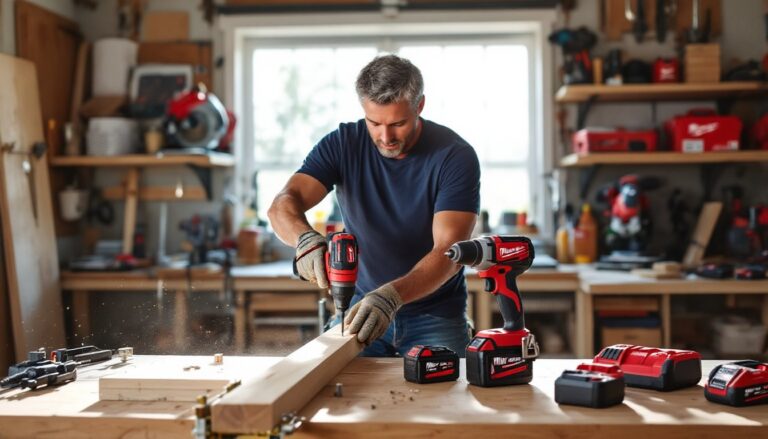
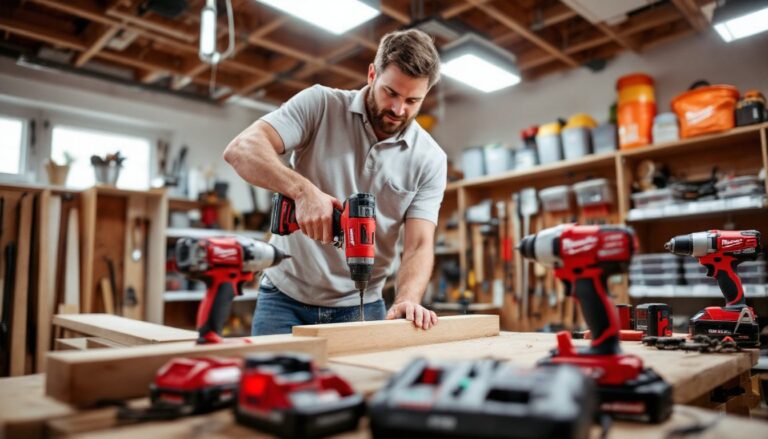
A cordless drill is the first Makita tool most homeowners should own. The 18V Makita drill-driver handles everything from driving screws into studs to boring holes for plumbing and electrical runs. Unlike corded drills, cordless models give you freedom to work in tight corners, attics, and crawl spaces without an extension cord. Impact drivers are different, they deliver rotational bursts that let you sink fasteners quickly and with less wrist strain. If you’re assembling furniture, installing cabinet hardware, or driving 3-inch deck screws into pressure-treated lumber, an impact driver saves your shoulders.
Makita cordless drills come in 12V, 18V, and 36V versions. The 18V strikes the sweet spot for most DIY work. Twelve-volt models are lighter and easier to control for overhead work like hanging shelving, but 18V offers more torque for serious fastening jobs. A basic two-tool combo kit, drill and impact driver, runs between $200 and $350 depending on the battery capacity and whether you choose compact or standard models. Check who sells Makita tools locally: most big-box home improvement stores stock them, and you’ll avoid shipping charges on heavy batteries.
Charge times matter in real projects. A 30-minute charger is standard: some premium models cut that to 22 minutes. Keep at least two batteries on hand so one charges while you work. Nothing kills momentum like waiting for a battery that’s dead halfway through a job.
Circular and Miter Saws
For cutting work, Makita circular saws and miter saws serve different purposes. A circular saw is portable and handles ripping lumber, cutting plywood, and making cross-cuts on a jobsite or in a basement shop. They’re nimble and fast, perfect for rough cuts where speed matters more than perfection. Miter saws are stationary and excel at angle cuts and repeatable lengths. If you’re hanging baseboard trim throughout a house, a miter saw makes crosscutting to length fast and precise.
Makita 7.25-inch circular saws weigh around 8 pounds and run on the standard 18V battery system. Cordless miter saws are heavier and stay in one spot, but they eliminate the need to drag out an air compressor or find an outlet. A 10-inch Makita miter saw handles crown molding, trim, and framing cuts in one setup. The bevel and miter adjustments let you make compound angles without hand calculations.
Both tools demand respect and safety gear. Always wear ANSI Z87.1-rated eye protection, especially when ripping boards, dust and chips fly fast. Ear protection is non-negotiable with circular saws: they’re loud. A dust mask or shop vacuum hookup keeps your lungs clear during extended cutting sessions. These aren’t optional add-ons: they’re baseline safety.
Getting Started With Makita for DIY Success
Choosing the Right Model for Your Needs
Starting small makes sense. Most homeowners don’t need a full professional setup right away. A basic combo kit, drill, impact driver, and one or two batteries, covers about 80% of household tasks. From there, add tools based on actual projects, not hype.
If your first project is building a basic bookshelf or installing floating shelves, a drill and impact driver are enough. Moving to a deck or fence? Add a circular saw. Hanging interior trim throughout the house? A miter saw becomes essential. This approach spreads costs and lets you learn tools without overspending on equipment you won’t use.
Makita tools on sale often appear around spring, fall, and major holidays. Retailers like Home Depot, Lowes, and specialty tool shops rotate sales on older model years to clear inventory for new releases. The previous generation of tools performs identically to the current version in most cases: buying last year’s model saves 15–25% without sacrificing capability. Watch for bundle deals that combine drill, impact driver, two batteries, and a charger, these offer the best value for entry-level DIY work.
Battery capacity matters more than you might think. Makita uses amp-hour (Ah) ratings: 1.3Ah batteries are compact and light but empty quickly on demanding tasks. A 5.0Ah battery keeps most tools running through a full morning’s work. If you’re serious about DIY, prioritize a decent charger and higher-capacity batteries over a larger tool collection. A slow charger in a pinch is annoying: dead batteries in the middle of a project are a project-killer.
Before you buy, clarify what you’re actually building. Rough carpentry (framing, decking) uses different tools than finish work (trim, shelving, cabinetry). Concrete and masonry require specialized drill bits and drivers. Check recent reviews of the best Makita drills to see what real users prefer for your specific work. Pairing research with hands-on time in a tool rental center, most big-box stores offer day rentals, helps you find what clicks with your style before committing to a purchase.
One final note: read the manual. Makita includes clear setup and safety instructions. Brushless motors, battery chemistry, and charger features have changed over the years. Spend 15 minutes learning your specific model’s quirks, it pays back in better results and fewer surprises.
Online and in-store retailers stock Makita cordless power tools year-round, and tools that match your project needs are available whether you shop online or walk into a local shop. The key is matching tool capability to the job at hand, not collecting every model in the lineup.
Conclusion
Makita cordless tools deliver the reliability and ecosystem flexibility that turn DIY projects from frustrating chores into manageable work. Start with a basic drill and impact driver, add tools as projects demand them, and watch your capability grow. Smart shopping, waiting for sales and buying into the battery platform, keeps costs reasonable while building a workshop that lasts. The next time you’re standing in front of a blank wall or an unfinished deck, having the right Makita tool in your hand makes all the difference.