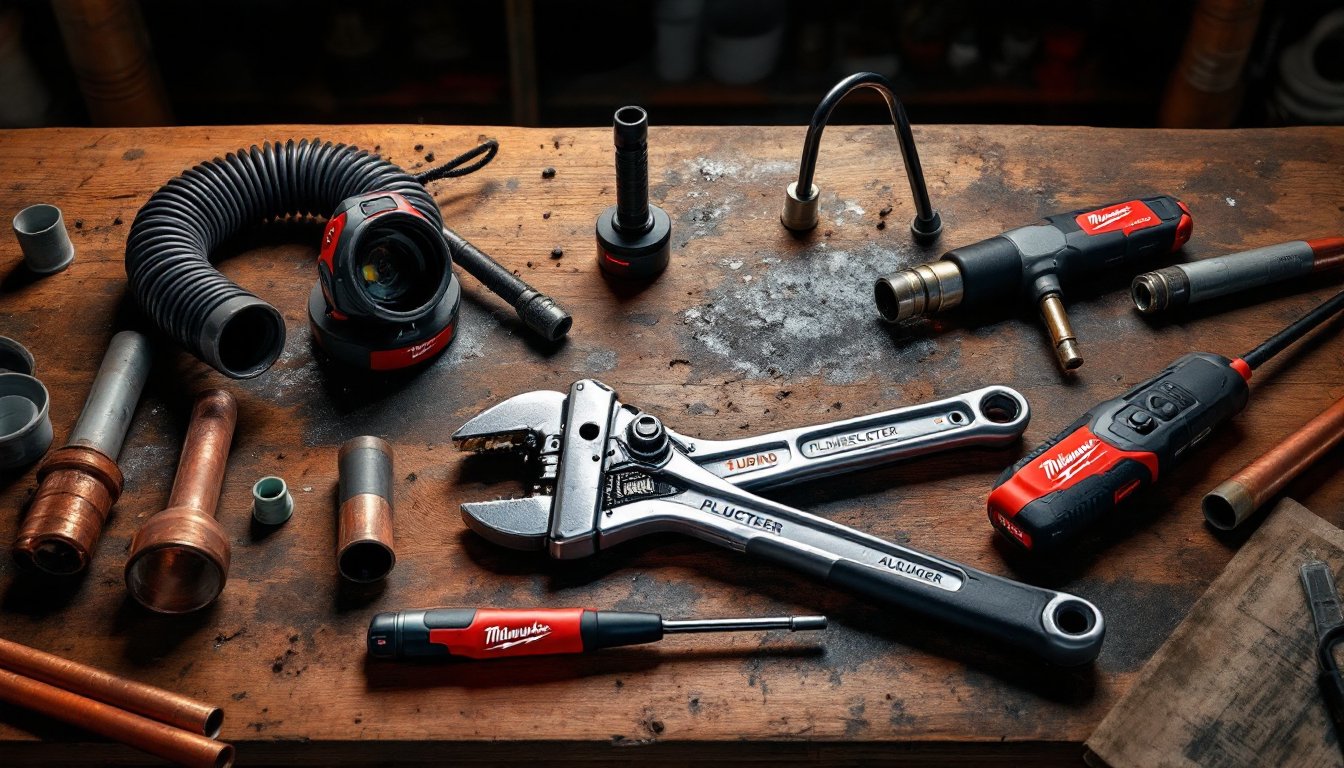
When a pipe starts leaking at 11 p.m. on a Saturday, you have two choices: call an expensive emergency plumber or grab a wrench and tackle it yourself. Milwaukee plumbing tools make that second option realistic for homeowners. Whether you’re replacing a fixture, unclogging a drain, or making a quick repair before the inspector arrives, Milwaukee’s lineup of plumbing gear delivers durability and precision without the contractor price tag. This guide walks you through the best Milwaukee plumbing tools for home projects, why they stand out, and how to pick the right one for your task.
Table of Contents
ToggleKey Takeaways
- Milwaukee plumbing tools deliver durability and precision for DIY homeowners, allowing you to handle common repairs yourself instead of paying for expensive emergency service calls.
- A solid Milwaukee pipe wrench (10-inch size), tubing cutter, and hand auger form the foundation of any residential plumbing toolkit and cover 90% of routine repair tasks.
- Milwaukee plumbing tools are engineered specifically for water lines and drain work with corrosion-resistant materials, ergonomic grips, and reinforced jaws that prevent slipping in tight, damp spaces.
- Drain cleaning and inspection equipment like manual augers and LED borescopes help you diagnose problems accurately and prevent costly ruptures before they require professional excavation.
- Choose your Milwaukee tool based on three factors: the pipe material (copper, PVC, or PEX), the pipe diameter, and your workspace constraints—always measure your area before purchasing to ensure proper fit.
Why Milwaukee Plumbing Tools Stand Out for Home Projects
Milwaukee has built a reputation for tools that can survive a job site and still work flawlessly in your basement. Their plumbing tools combine corrosion resistance, compact design, and reliable torque, three things that matter when you’re working in tight, damp spaces under a sink.
Unlike generic multi-purpose wrenches, Milwaukee plumbing tools are engineered specifically for the demands of water lines, drain work, and fixture installation. Their pipe wrenches feature reinforced jaws that grip without slipping, and their cutters use hardened steel that won’t dull after one use. The handles are often shorter and more ergonomic than traditional tools, letting you work in confined spaces like under cabinets or in crawl spaces where room is tight.
Durability matters on plumbing tasks because moisture is constant. Rust-resistant coatings and quality steel mean your tools stay functional year after year, even if they’re stored in a damp garage. Many homeowners also appreciate that Milwaukee tools hold their resale value, if you eventually upgrade or sell the tool, you’ll recover more of your investment than with budget brands.
Beyond materials, Milwaukee designs tools with the user in mind. Their products often feature ergonomic grips, non-slip coatings, and weight distributions that reduce hand fatigue during longer jobs. That may sound minor until you’re installing a new toilet supply line and your hands are already tired from prepping the area.
Must-Have Milwaukee Plumbing Tools for Every DIY Toolkit
Pipe Wrenches and Adjustable Cutting Tools
A Milwaukee pipe wrench is often the first plumbing tool a DIYer should own. Unlike an adjustable wrench, a pipe wrench’s jaw design is optimized for round surfaces (pipes), not flat bolt heads. The wrench grips with a self-tightening mechanism, the more torque you apply, the stronger the grip. This prevents slipping, which saves knuckles and protects fittings.
Milwaukee offers pipe wrenches in multiple lengths: 8-inch, 10-inch, 12-inch, and 14-inch. The 10-inch is a solid starting point for most home projects, handling pipes from 3/4-inch to 1 1/2-inch diameter. Longer wrenches give more leverage for stubborn fittings but are harder to use in tight spaces. Keep both sizes on hand if you can.
Adjustable cutters are your weapon against replacing damaged or kinked pipe sections. Milwaukee’s tubing cutters use a rotating wheel to score and separate copper, PVC, or PEX pipe cleanly in a few turns. That beats using a hacksaw, which creates ragged edges and requires more elbow grease. The cleaner cut also means less cleanup and better fitting seats when you reconnect.
A quality pipe wrench and cutter combo handles 90 percent of routine plumbing repairs. Industry experts often recommend having at least two pipe wrenches of different sizes, allowing you to hold a fitting steady with one while turning with the other. This prevents stress on joints and avoids accidental damage to the line.
Drain Cleaning and Inspection Equipment
Clogs are the most common plumbing issue homeowners face, and Milwaukee drain-cleaning tools range from simple plungers with reinforced cups to manual drum augers (also called hand snakes). A plunger works for surface clogs near the drain opening, but a hand auger reaches blockages deeper in the line, usually 15 to 25 feet into the pipe, depending on the model’s length.
Manual augers are hand-cranked and ideal for DIY use because they give you direct feedback about where the clog is and how stubborn it is. Motorized versions exist but are overkill for most residential work and require more storage space. Milwaukee’s augers feature corrosion-resistant steel cables and comfortable grips, making the manual cranking less taxing.
For inspections, Milwaukee offers compact borescope tools with LED lighting. If you’re unsure what’s causing a drain problem, tree roots, mineral buildup, or a collapsed section, a borescope lets you peek inside without calling a camera truck. This saves hundreds in diagnostic fees and helps you decide whether the problem is DIY-fixable or requires professional excavation.
Drain cleaning and inspection tools often get overlooked but save time and money. According to plumbing guides, having the right drain equipment prevents emergency calls and lets you catch small problems before they become expensive ruptures.
How to Choose the Right Tool for Your Plumbing Task
Picking the right Milwaukee plumbing tool depends on three factors: the type of material you’re working with, the size of the pipe or fitting, and the space constraints of the job.
Material matters. Copper pipes require different handling than PVC or PEX. Copper fittings can be overtightened and cracked: PVC fittings risk stripping if you use too much force. Milwaukee tools often specify their best use case on the packaging, pay attention. If you’re replacing a section of copper, a tubing cutter is non-negotiable. If you’re installing PVC supply lines under a bathroom sink, a smaller adjustable wrench might be enough.
Pipe size determines wrench selection. Check your existing pipes to know what you’re dealing with. Residential supply lines are typically 1/2-inch or 3/4-inch diameter: drain lines range from 1.5-inch to 4-inch or larger. A 10-inch pipe wrench handles most common residential sizes comfortably. Oversizing to a 14-inch wrench gives more leverage but becomes clumsy in tight spots like under cabinets.
Space is your third variable. A crawl space under the house demands shorter, lighter tools. An exposed basement setup allows longer wrenches and more elaborate gear. Measure your workspace before buying. Many Milwaukee tools come in compact versions specifically designed for tight quarters.
When comparing Milwaukee plumbing tools to alternatives, consider that professional plumbers rely on Milwaukee for a reason, durability and consistency translate to fewer repeat repairs. Homeowners can benefit from that same reliability without the contractor markup. Research-based recommendations from plumbing guides suggest focusing on quality basics rather than owning every specialized tool: Milwaukee’s core lineup hits that sweet spot of versatility and affordability for residential work.
If you’re uncertain whether a task requires special licensing, check your local building department. Some plumbing work, like installing water heaters or main line repairs, may require a permit or licensed plumber, depending on your jurisdiction. Knowing this upfront prevents costly mistakes and code violations.
Conclusion
Milwaukee plumbing tools bridge the gap between cheap hardware-store basics and professional-grade equipment. For the cost of a single service call, you can build a toolkit that handles most residential plumbing repairs for years. Start with a solid pipe wrench, a tubing cutter, and a hand auger, those three pieces unlock the majority of common jobs. Add a borescope when you’re ready to diagnose trickier problems. Your future self (and your wallet) will thank you when a plumbing issue arises and you can fix it yourself instead of calling for emergency service.