Whether you’re installing a new outlet, troubleshooting a circuit, or replacing a light fixture, having the right electrical hand tools transforms a frustrating afternoon into a manageable project. Electrical work demands precision and safety in equal measure, the wrong tool not only slows you down but can create serious hazards. Building a solid collection of electrician hand tools doesn’t require spending hundreds of dollars: it means investing in tools that handle the most common jobs homeowners and DIY enthusiasts encounter. This guide walks you through the best electrical hand tools, from voltage testers to wire strippers, so you can tackle projects with confidence and stay safe while doing it.
Table of Contents
ToggleKey Takeaways
- A non-contact voltage tester is the essential first line of defense for electrical work, costing only $15–30 and taking seconds to verify circuits are dead before you touch any wiring.
- Building a basic set of electrical hand tools—including a wire stripper, multimeter, and needle-nose pliers—costs $60–100 and handles 90% of common household electrical repairs safely.
- Proper electrical hand tools prevent dangerous mistakes by creating clean, reliable connections and reducing the risk of shock, fires, and equipment failure compared to improvised methods.
- Always test circuits with a voltage tester, turn off power at the breaker, and wear insulated gloves and safety glasses every time—these habits matter more than having expensive tools.
- Knowing when to stop and call a licensed electrician for panel upgrades, hardwired appliances, or new circuits ensures your work meets code and prevents liability issues.
What Are Electrical Hand Tools and Why You Need Them
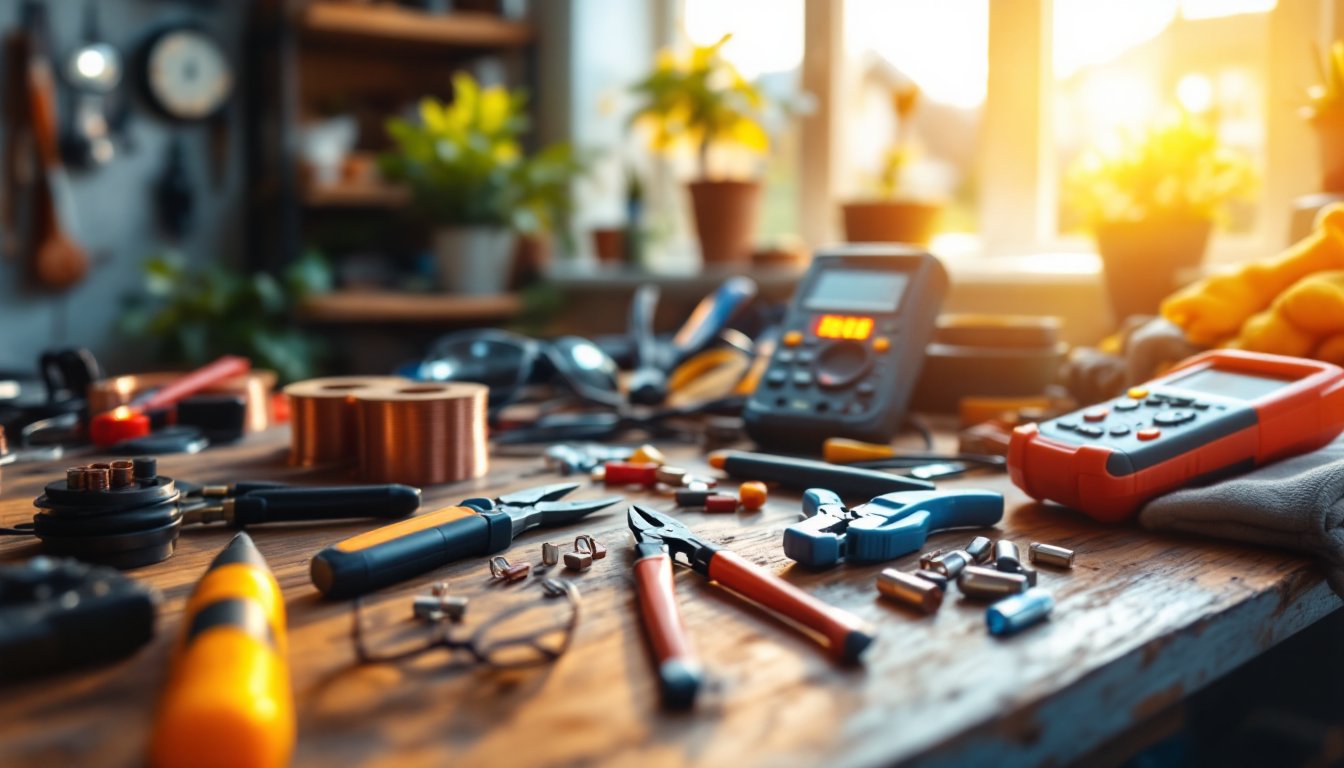
Electrical hand tools are specialized instruments designed to work safely with wiring, circuits, and electrical components. Unlike a hammer or screwdriver, these tools protect you from shock, help you measure voltage accurately, and make clean, reliable connections. A standard electrician hand tools list typically includes voltage testers, wire strippers, needle-nose pliers, and crimpers. The difference between fumbling with a utility knife to strip wire and using a dedicated wire stripper is the difference between a messy, potentially unsafe connection and a professional-grade one.
You need these tools because electrical work carries real risks. A voltage tester isn’t a luxury, it’s the first line of defense against working on live circuits. Wire strippers cut insulation cleanly without nicking copper, reducing failure rates in connections. Quality electric hand tools save time, reduce errors, and most importantly, keep your fingers and your home safe. Whether you’re a homeowner making occasional repairs or someone building skills for bigger projects, investing in proper electrical hand tools pays dividends.
Must-Have Basic Electrical Tools for Home Projects
Voltage Testers and Safety Essentials
A non-contact voltage tester is the single most important tool you’ll own. This pen-shaped device detects the presence of voltage without requiring direct contact, you hold it near a wire or outlet, and it lights up or beeps if current is flowing. Before touching any circuit, outlet, or wire, you test it. No exceptions. A quality non-contact tester costs $15–30 and takes seconds to verify a circuit is dead. They’re reliable, easy to use, and have literally saved lives by catching mistakes before they become emergencies.
For deeper diagnostics, a multimeter measures voltage, current, and resistance. You’ll use it to troubleshoot faulty outlets, test continuity in wires, and verify battery health. A basic digital multimeter runs $20–50 and handles 90% of home electrical tasks. Always buy one with a continuity function (an audible beep when circuits are complete), that feature alone makes troubleshooting infinitely faster.
Safety glasses and insulated gloves round out the essentials. Insulated gloves rated for electrical work (usually marked as Class 0 or 1) protect against shock. Safety glasses keep stray wire snippets and dust out of your eyes. Don’t skip this, it feels obvious until you need it.
Wire Strippers, Crimpers, and Cutters
A wire stripper removes insulation from copper wire without damaging the conductor underneath. Manual strippers have adjustable slots or cutting wheels that grip the insulation as you squeeze and twist, practice makes you smooth and fast. A quality hand-operated stripper costs $10–25 and outlasts cheap versions that tend to slip or crush wire. Look for models with multiple slot sizes (typically handling 10–22 AWG) or adjustable dies.
Crimpers join wires using small metal sleeves called crimps or terminals. You slip the bare wire into the crimp, insert it into the crimper tool, and squeeze until the metal compresses around the wire. This creates a permanent, reliable connection that’s more secure than twisting wires together. Most electrician power tools lists include a crimper that handles standard wire gauges, expect to pay $15–40 for a hand crimper that handles residential wiring.
Wire cutters and needle-nose pliers round out the set. Diagonal cutters (also called dikes) slice through wire cleanly: needle-nose pliers bend wire into loops for screw terminals and reach into tight spaces. A combination tool handles both functions. Budget $8–15 for quality cutting tools: cheap ones get dull quickly and crush rather than cut, leaving ragged edges that don’t seat well in terminals.
Choosing the Right Tools for Your DIY Skill Level
If you’re new to electrical work, start with a basic non-contact voltage tester, wire strippers, and a multimeter. These three tools handle most common repairs, replacing outlets, testing switches, and diagnosing dead circuits. Add needle-nose pliers and a crimper once you’re comfortable stripping and reconnecting wires. This starter set runs $60–100 and covers light fixtures, outlet replacement, and basic troubleshooting.
Moving to intermediate work, installing new circuits, upgrading panels, or wiring a workshop, requires an expanded electrical hand tools list. You’ll want a clamp meter (measures current without breaking the circuit), a phase tester (identifies which wires are live in three-phase systems), and heavier-duty crimpers for larger gauge wire. At this level, consider whether a multitool-style stripper that handles multiple gauges and terminal types saves repeated tool switching. These intermediate tools add $50–150 to your arsenal.
Experienced electricians and professionals often invest in specialized electrical workshop tools that handle industrial gauges, automated crimping, and advanced diagnostics. But, for most homeowners, the basic and intermediate tool sets above tackle 99% of projects you’ll encounter. Buy what you need for your current work: you can always expand later as projects demand it.
Safety Tips and Best Practices When Using Electrical Tools
Always test before you touch. Every single time. Even experienced electricians get complacent, and that’s when accidents happen. A quick swipe with your non-contact voltage tester takes two seconds and could prevent a serious shock or worse. If a circuit looks dead but your tester says otherwise, trust the tester and stop work immediately.
Turn off power at the breaker whenever possible. Don’t rely on turning off a light switch, flip the breaker, then test to confirm power is off. Lock the breaker panel or leave a note if others might flip it back on. For permanent installations, circuits must comply with your local electrical code (standards like the National Electrical Code or NEC set minimum safety requirements, though codes vary by jurisdiction).
Wear appropriate PPE for every task. Insulated gloves, safety glasses, and closed-toe shoes are non-negotiable. If you’re working in damp conditions (like a basement near a water heater), work becomes significantly more hazardous, consider calling a licensed electrician instead. Your hands and eyes are irreplaceable: gear costs under $30.
Never mix wet conditions with electrical work. Don’t work on circuits while standing in water or with damp hands. Moisture dramatically lowers the resistance of your skin, turning a minor shock into a major one. If a circuit is in a wet area, grounded GFCI (ground fault circuit interrupter) outlets are required and provide a safety cutoff.
Use proper techniques when making connections. Strip only ½ inch of insulation from solid wire: twist stranded wire tightly before inserting into a terminal. Use the correct terminal size, an undersized terminal creates heat and resistance at the connection point, risking failure or fire. When you’re unsure about a method, platforms like Instructables offer step-by-step guides for common electrical tasks, and Family Handyman’s electrical repair tutorials walk through best practices.
Know when to stop and call a professional. Upgrading a panel, installing hardwired appliances, or adding new circuits often require a licensed electrician and building permits. Permits aren’t bureaucratic hassle, they’re a safety checkpoint that ensures your work meets code and won’t create liability issues when you sell your home. A final inspection by a licensed electrician on a complex project is money well spent.
Conclusion
Building a collection of quality electrical hand tools doesn’t happen overnight, but starting with a non-contact voltage tester, wire stripper, and multimeter gives you a foundation to handle most common household electrical repairs safely. From basic outlet replacement to diagnosing faulty switches, these best electrical hand tools let you work with confidence rather than guesswork. The key is choosing tools that match your current skill level and projects while never compromising on safety, proper PPE, verification before touching anything, and knowing when to call a licensed electrician are habits that matter more than the fanciest tool in your kit.