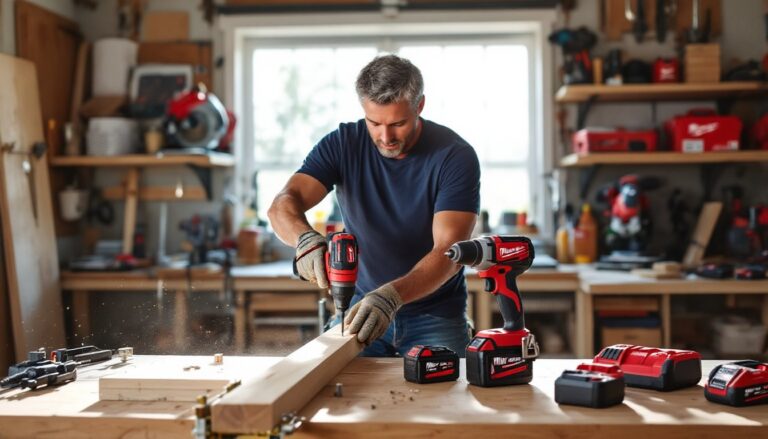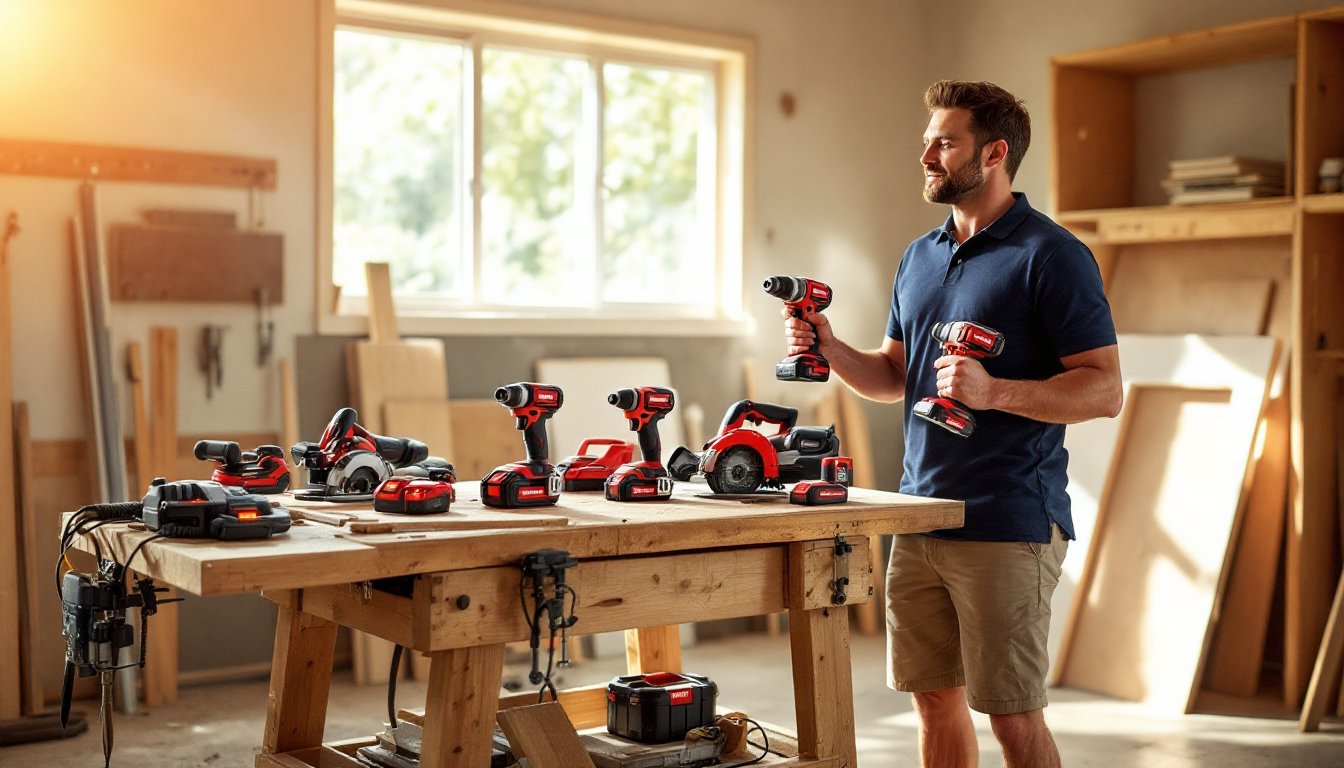
Craftsman 20V tools have become a go-to choice for homeowners and DIY enthusiasts tackling everything from basic repairs to full renovation projects. The Craftsman V20 system offers a balanced mix of power, runtime, and affordability that doesn’t require the investment of professional-grade equipment. Whether you’re hanging shelves, building raised garden beds, or assembling furniture, understanding what the 20-volt platform delivers helps you make smart purchasing decisions. This guide walks through the Craftsman 20 volt tools ecosystem, highlighting key features, compatible models, and which tools actually earn their place in your workshop.
Table of Contents
ToggleKey Takeaways
- Craftsman 20V tools offer homeowners a balanced, cost-effective cordless power solution that eliminates extension cords and fits between consumer and professional-grade equipment.
- All Craftsman 20V batteries are interchangeable across the entire tool lineup, reducing your investment by eliminating redundant charging systems and tool-specific power packs.
- Lithium-ion 20V batteries deliver 30–45 minutes of runtime on lighter tasks, but heavier jobs like cutting draw more current and reduce runtime to 15–20 minutes.
- Drills and impact drivers form the foundation of a Craftsman 20V collection, with impact drivers excelling at driving large fasteners and removing stubborn bolts faster than standard drills.
- For extended projects, keep two batteries on hand so one charges while you work with the other, and always prioritize safety by wearing eye protection, ear protection, and dust masks when using saws.
What Are Craftsman 20V Tools and Why They Matter
Craftsman 20V tools are cordless power tools powered by a 20-volt lithium-ion battery system. They sit in the sweet spot between budget-friendly consumer tools and contractor-grade equipment. Unlike corded tools, they eliminate the hassle of dragging extension cords or worrying about cord management on a job site. The cordless design means you can work in tight corners, move freely between projects, and avoid tripping hazards.
The 20-volt platform has become industry standard for mid-range DIY work. A single battery can power multiple tools in the Craftsman lineup, making it a practical ecosystem rather than buying isolated pieces. Homeowners appreciate the lower noise levels compared to gas-powered alternatives and the immediate on-demand power without warm-up time. If you’re building a workshop from scratch or adding to existing tools, the Craftsman V20 system offers real versatility without overwhelming complexity.
Key Features and Benefits of the 20V System
Battery Technology and Runtime
Craftsman 20V batteries use lithium-ion chemistry, which holds charge longer than older nickel-cadmium cells and resists “memory effect”, the loss of capacity from incomplete discharge cycles. A standard 2.0-amp-hour (Ah) battery typically delivers 30–45 minutes of runtime on lighter tasks like drilling pilot holes or driving fasteners. Heavier jobs like cutting or grinding draw more current, reducing runtime to 15–20 minutes. Higher-capacity batteries (4.0 or 5.0 Ah) extend runtime proportionally but add weight and cost.
Battery life depends on the task and tool draw. Drills demand less power than reciprocating saws, so a single charge goes further on drilling work. For extended sessions, having two batteries (one charging while you work with the other) keeps momentum going. Most Craftsman chargers fully recharge a standard battery in 30 minutes, making swaps painless. Cold temperatures slow charging and reduce effective runtime, store batteries indoors and let them warm to room temperature before use in winter.
Compatibility and Interchangeability
One of the biggest advantages of the Craftsman 20 volt tools platform is that all batteries work across the entire tool lineup. Buy a drill, and the same battery powers your impact driver, saw, and angle grinder. This eliminates the frustration of tool-specific batteries and reduces your overall investment, you’re buying tools and batteries, not redundant charging systems.
The compatibility extends to Craftsman’s expanding ecosystem. Mechanical Workshop Tools: Essential Gear for Every Craftsman highlights how modern cordless systems fit into a broader workshop strategy. Newer models and tools continue to use the same voltage standard, making your investment relatively future-proof. But, not every Craftsman product uses 20V, check the specs before assuming compatibility. The system works seamlessly within its own ecosystem, but mixing 20V with 18V or 40V Craftsman tools requires separate batteries.
Essential Craftsman 20V Tools for Home Projects
Drills, Drivers, and Impact Tools
The compact drill/driver is the foundation of any Craftsman 20V collection. These lightweight models handle drilling pilot holes, driving screws, and light mixing (stirring paint or drywall mud) without wearing out your wrist. A half-inch chuck holds standard bits and accepts a wide range of accessories. For most homeowners, a compact model weighing 3–4 pounds is easier to handle than heavier professional versions, especially for overhead work like installing kitchen cabinets.
An impact driver complements the drill perfectly. While a drill applies steady rotational force, an impact driver delivers rapid rotational pulses that drive large fasteners or remove stubborn bolts with minimal effort. Impact drivers are faster for production work (installing deck screws, assembling furniture frames) and don’t require as much downward force, reducing fatigue. Automobile Workshop Tools: Essential Gear for Every Mechanic discusses how impact technology streamlines mechanical tasks at home too.
Both tools handle general carpentry, assembly, and light demolition. For serious driving (framing with 3.5-inch screws into dense lumber), an impact driver outpaces a standard drill. Runtime is adequate for small projects: for full-day work, a second battery is essential.
Saws and Cutting Tools
Craftsman 20V reciprocating saws excel at demolition, cutting rough openings, and pruning. The blade moves back and forth 3,000 times per minute, making quick work of wood, metal, and drywall. They’re loud and dusty, so wear safety glasses and a dust mask, respiratory protection matters when cutting older drywall or materials that may contain dust or debris. Reciprocating saws are powerful but less precise than other options: use them for rough cuts where accuracy matters less.
A circular saw delivers cleaner crosscuts in lumber and sheet goods. The 6.5-inch blade cuts through 2x lumber in a single pass and handles plywood with minimal tear-out on the top face if you tape the cutting line first. Cordless 20V models cut slower than corded versions and generate more resistance, so expect battery drain on extended cutting sessions. For a deck or fence project, plan for battery swaps or bring a second unit.
For angle work and trim, a miter saw gives precision. But, most entry-level cordless miter saws run on 18V, not 20V. Check before assuming your Craftsman 20V battery fits. If you’re serious about woodworking, step-by-step DIY project tutorials on Instructables show how pros approach cutting sequences to minimize battery strain.
Always wear eye protection and ear protection for any saw work. Dust masks are essential for extended cutting, especially indoors. Secure your workpiece with clamps, never hold it freehand. Take two hands to operate all saws: one-handed operation leads to kickback and injury.