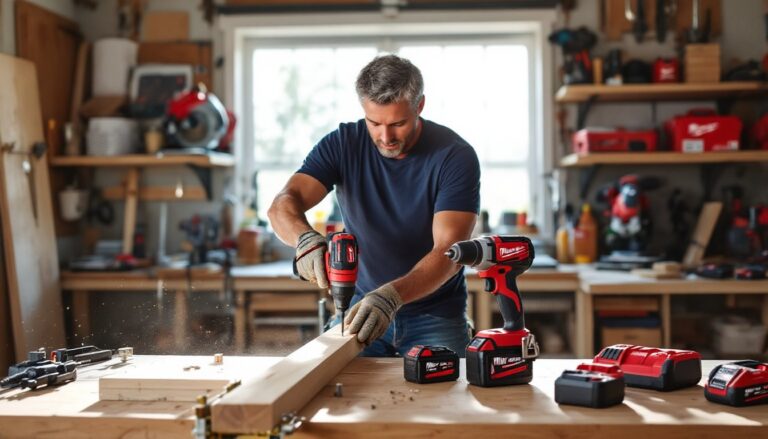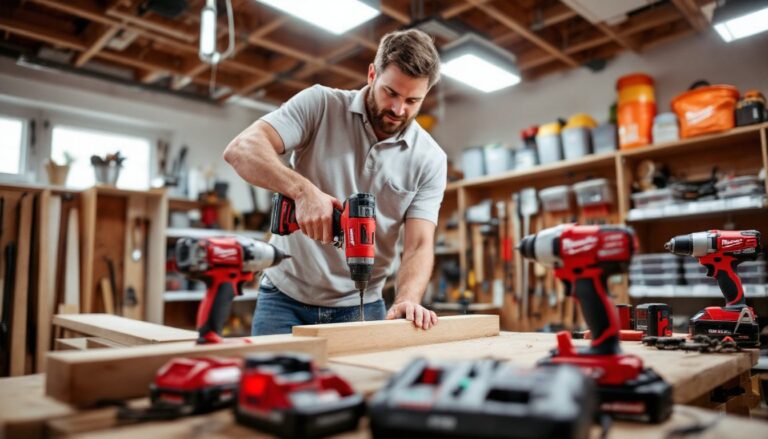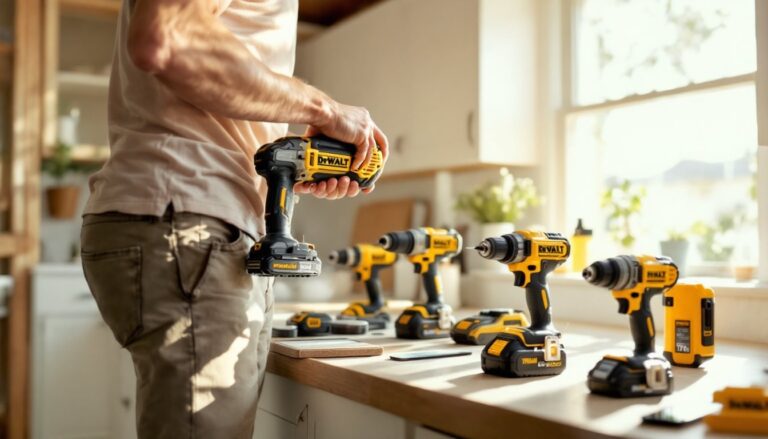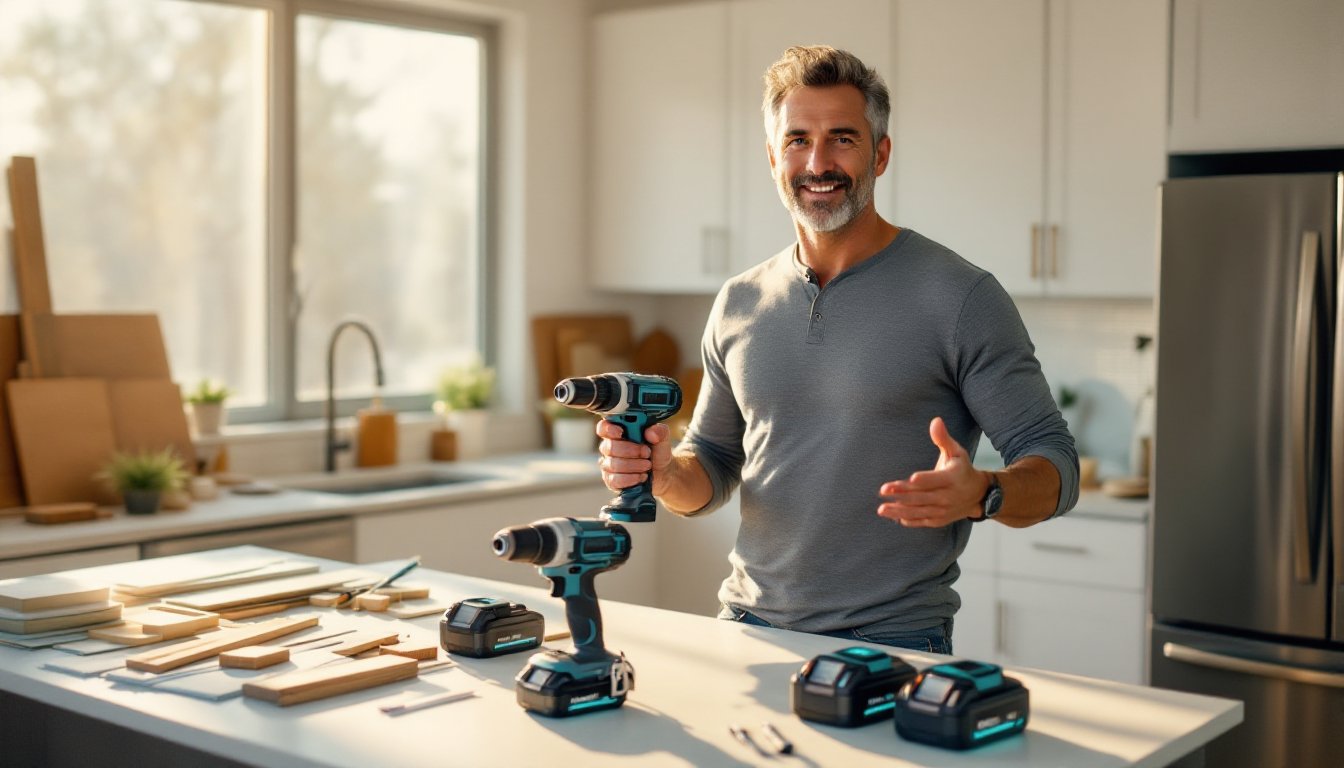
If you’ve been shopping for power tools lately, you’ve probably noticed brushless models showing up everywhere, often at a higher price point. The jump in cost leaves many DIYers wondering whether the upgrade actually matters for weekend projects. The short answer: yes. Brushless power tools deliver better runtime, less maintenance, and superior durability compared to traditional brushed alternatives. They’re especially valuable for homeowners tackling everything from decking projects to interior renovations. Understanding what makes them different, and whether they fit your needs, means smarter spending on tools that’ll actually stick around.
Table of Contents
ToggleKey Takeaways
- Brushless power tools deliver 20–40% longer runtime and superior durability compared to brushed alternatives, making them a smart investment for homeowners tackling regular DIY projects.
- Unlike traditional brushed motors that rely on carbon brushes creating friction and heat, brushless tools use electronic controllers to switch current, resulting in less maintenance and cooler operation.
- Brushless drills and impact drivers are the best starting points for DIYers, offering excellent performance for drilling, driving, and fastening without the wear and tear of brushed models.
- Proper battery care—storing in cool, dry conditions and avoiding over-discharging—extends both battery lifespan and tool performance, especially in temperature-sensitive environments.
- Purchasing a matched brushless tool system from the same manufacturer allows battery sharing between tools and easier future upgrades, maximizing long-term value.
- Real-world performance shows brushless motors maintain speed and torque under sustained load while brushed tools may throttle back when hot, delivering consistent results on demanding tasks like ripping plywood or driving lag bolts.
What Are Brushless Power Tools and How Do They Work?
To understand the appeal of brushless tools, it helps to know what brushes do in a traditional power tool. Inside a standard brushed motor, carbon brushes make physical contact with a rotating commutator, essentially a spinning ring that switches current direction. This contact happens dozens of times per second, which generates friction, heat, and eventually wear. Brushes are a consumable part that eventually needs replacing.
Brushless tools work differently. Instead of mechanical brushes, they use electronic circuitry (a controller) to switch the current direction. There’s no physical contact between moving parts, which means dramatically less friction and heat. The motor itself is more efficient because power isn’t wasted fighting that friction. This is why brushless designs have become the preferred choice for serious DIYers and professionals alike.
The controller that powers a brushless motor is also smart, it can adjust power delivery in real time based on load. When you hit a knot in lumber, the tool automatically pulls more current to maintain speed. In lighter work, it backs off. That adaptive power is one reason brushless tools feel so responsive.
Key Advantages Over Traditional Brushed Tools
The brushless vs brushed power tools comparison comes down to a few concrete benefits. First, runtime is significant. Since there’s no brush friction wasting energy as heat, more of your battery’s charge goes into actual work. Most users report 20–40% longer runtime on the same battery size, a real advantage when you’re framing a wall or running a drill all day.
Maintenance is another win. Brushed tools occasionally need new brushes (typically after hundreds of hours of use), which means downtime and cost. Brushless tools have virtually no routine maintenance beyond keeping them clean and storing batteries properly. The internal electronics are sealed and don’t wear out the same way.
Durability extends the tool’s lifespan. With no brushes grinding away, the commutator doesn’t degrade. The motor simply runs cleaner and cooler. Most brushless tools last noticeably longer in the hands of someone using them regularly.
Thermal management also favors brushless designs. Less friction means less heat buildup, so the motor can run at higher power levels without throttling itself down for safety. This translates to better performance when you need to push through demanding tasks, cutting thick hardwood, driving lag bolts, or mixing concrete.
Common Types of Brushless Tools for Home Projects
Brushless technology shows up across nearly every cordless tool category. Brushless drills are the most common entry point for DIYers. They’re excellent for both drilling and driving, with the torque control to handle fastening without stripping screws. A brushless impact driver is the real workhorse, it delivers rotational blows that make fastening much faster and easier on your wrists than a regular drill.
For cutting work, brushless circular saws and brushless miter saws (when cordless options are available) give cleaner cuts and handle tougher materials without bogging down. If you’re planning deck work or framing, a brushless circular saw will push through pressure-treated lumber with less strain.
Brushless reciprocating saws (also called sawzalls) excel at demolition and cutouts, they run cooler and longer than brushed versions. Brushless angle grinders are available for metalwork, though they’re less common in typical home projects. Sander and rotary tool options also come in brushless, though the performance gap is narrower there than with high-torque tools.
Most DIYers see the biggest payoff by starting with a brushless drill and brushless impact driver, the two tools that get used most frequently on renovation and repair work. Many manufacturers offer these as combo kits with batteries and chargers, which makes the entry cost more reasonable.
Performance and Durability: What You Can Expect
In real-world use, brushless tools consistently outperform brushed equivalents. Under sustained load, driving screws all day, ripping plywood, or mixing drywall compound, brushless motors maintain their speed and torque. Brushed tools sometimes throttle back when they get hot: brushless tools just keep working.
Durability differences become obvious over time. A homeowner using brushless tools for weekend projects can expect 5–10+ years of reliable service with minimal maintenance. Brushed tools of the same quality may need repairs or brush replacement within a few years of heavy use. If you’re buying a tool you want to last through your kids’ high school summers, brushless is the smarter bet.
Reviews of top-tier brushless options, available on sites covering best cordless drills and comprehensive cordless drill comparisons, consistently show higher user satisfaction and lower failure rates than brushed alternatives. The extra upfront cost is recouped in durability and reduced replacement cycles.
Battery Life and Runtime Considerations
Battery chemistry and capacity matter more than the motor type, but brushless tools use that battery energy more efficiently. A 3.0 Ah lithium-ion battery in a brushless drill delivers noticeably longer runtime than the same battery in a brushed drill, often 30–45 minutes of continuous use versus 20–30 minutes brushed.
Higher-capacity batteries (5.0–6.0 Ah) provide all-day runtime for most residential projects, assuming you’re taking breaks and not running the tool continuously. Deck building, interior wall demolition, or cabinet installation easily span 4–6 hours, and a single high-capacity battery usually carries you through.
Charging speed has improved significantly. Modern chargers can fully charge a 5.0 Ah battery in 30–60 minutes, so swapping batteries mid-project is quick. Having a second battery (or buying a larger one) is worth the investment if you plan regular use.
Temperature affects battery performance, cold weather reduces runtime and charging speed. Store batteries indoors and let them warm to room temperature before use in winter. Proper battery care (not over-discharging, keeping terminals clean) extends lifespan and maintains consistent performance.
Getting the Most Out of Your Brushless Tool Investment
Buying brushless tools is a commitment, so maximize that investment. Start with a matched system, same brand and battery platform, so you can swap batteries between tools and skip buying multiple chargers. This also means upgrading is easier: add new tools to your existing battery ecosystem.
Keep your tools clean. Dust buildup clogs vents and makes motors work harder. A quick wipe with a dry cloth after use takes 30 seconds and extends tool life significantly. Store batteries in a cool, dry place (not the garage in July or a damp basement). Extreme heat or cold shortens battery life.
Learn the specific tool’s features. Many brushless drills have programmable torque settings or speed ranges that let you dial in the right power for the job. Using low speed for driving fasteners reduces the risk of stripping and extends battery life. High speed is for drilling, low speed for fastening. This simple adjustment makes a real difference.
Follow manufacturer guidance on maintenance, it’s minimal, but don’t ignore it. If a chuck starts slipping or a battery won’t hold charge, address it early rather than letting the tool fail mid-project. Most issues can be fixed affordably if caught early.
If you’re building a complete workshop, DIY project resources can help you understand what tools genuinely solve problems in your workflow versus tools that look nice but sit unused. This keeps you from overbuying or choosing tools that don’t fit your actual projects.
Conclusion
Brushless power tools represent a real step forward for DIY work. They run longer, last longer, and require virtually no maintenance, advantages that compound over years of use. The upfront cost is justified if you plan regular home projects. Start with a brushless drill and impact driver, invest in good batteries, and take care of them. You’ll understand quickly why brushless has become the standard in home improvement shops.