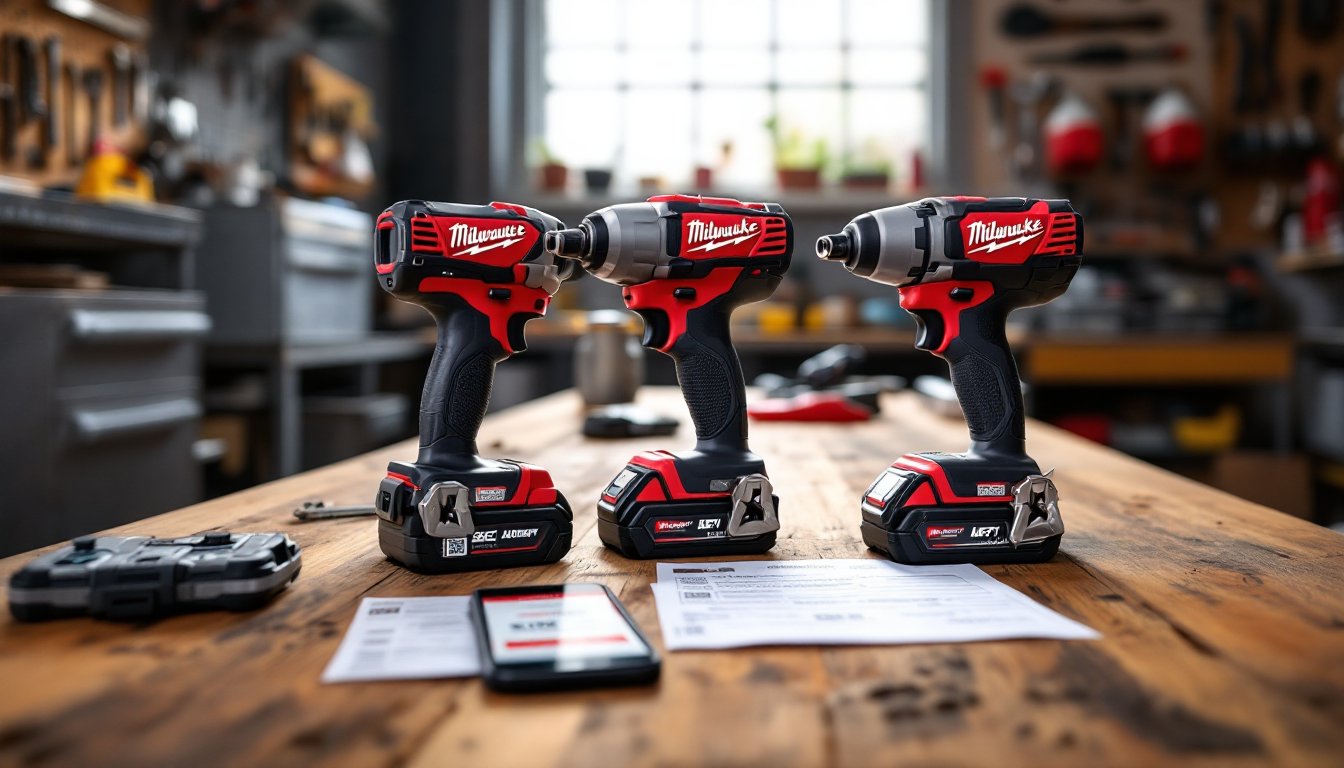
Milwaukee Power Tools are built tough for the jobsite and the workshop, but even the best tools eventually need service. Whether you’ve just invested in a Milwaukee drill, impact driver, or circular saw, understanding the warranty protecting that investment is crucial. Milwaukee’s warranty coverage varies depending on where you buy, how you register, and what goes wrong, and many DIYers don’t realize they’re missing out on extended benefits. This guide breaks down Milwaukee tools warranty coverage, registration requirements, exclusions, and the claims process so you can protect your tools and know exactly what’s covered if something fails.
Table of Contents
ToggleKey Takeaways
- Milwaukee tools warranty provides one year of baseline coverage for manufacturer defects, but registration extends it to five years for most power tools at no cost.
- Register your Milwaukee tool with the serial number and proof of purchase to unlock extended warranty benefits that many DIYers miss out on.
- Milwaukee warranty covers defects in materials and workmanship but excludes misuse, accidents, normal wear and tear, and unauthorized repairs.
- File a Milwaukee tools warranty claim by contacting customer service with your serial number and proof of purchase, and expect two to four weeks for repair or replacement.
- Many retailers like Home Depot offer in-store warranty service for Milwaukee tools, providing faster resolution than mail-in options.
Understanding Milwaukee Tools Limited Warranty
Milwaukee backs its power tools with a straightforward limited warranty that covers manufacturer defects. This is the baseline protection you get with any new Milwaukee tool purchase, no registration needed for basic coverage. The limited warranty is designed to cover defects in materials and workmanship, meaning if a motor burns out or a gear strips due to a manufacturing flaw (not user damage), Milwaukee will repair or replace the tool. The coverage period typically runs from the date of purchase, though the exact duration depends on the product line. Milwaukee’s approach is honest: they warranty the tool against their mistakes, not against wear, tear, or misuse. This distinction matters when filing a claim. Understanding this foundation helps you know when Milwaukee’s responsible versus when you’re looking at a wear item or an accident.
What Does Milwaukee Warranty Cover?
Standard Coverage and Inclusions
Milwaukee’s limited warranty covers the tool itself against defects in manufacturing. If the motor fails prematurely, the chuck won’t tighten, or a switch stops working due to a factory defect, you’re covered. The warranty applies to the original purchaser and, in most cases, transfers to a second owner if you sell the tool. Milwaukee registration tools extend and enhance this baseline protection, adding years of coverage and sometimes unlocking additional benefits like tool replacement in case of theft. When you register your tool on Milwaukee’s website or through their app, you activate the extended warranty period, sometimes doubling coverage from one year to five years depending on the product. This is where many DIYers lose out: they buy a quality tool but never register it, leaving years of protection on the table. Registration typically requires proof of purchase, the tool’s serial number, and your contact information. It’s a five-minute task with significant payback.
Exclusions and What’s Not Covered
Milwaukee’s warranty explicitly excludes damage from misuse, abuse, accidents, or normal wear and tear. If you drop the tool, use it in conditions outside the manual’s specifications, or run it continuously without breaks, that’s on you. Warranty on Milwaukee tools also doesn’t cover cosmetic damage, missing parts, or damage from lack of maintenance, so if you never clean dust from the motor vents and it overheats, you’re liable. Batteries and chargers sometimes have separate, shorter warranty periods, so check the documentation. Unauthorized repairs void the warranty: you can’t take your tool to a third-party shop and expect Milwaukee to honor the warranty afterward. Water damage, corrosion, and electrical issues caused by improper power supply aren’t covered either. The warranty also doesn’t apply if the tool was purchased used or if you can’t provide proof of purchase. Understanding these exclusions upfront prevents disappointment later. Most warranty claims fail because the damage falls into one of these exclusion categories, not because Milwaukee is being unreasonable.
Milwaukee Warranty Registration and Duration
Registering your Milwaukee tools is the fastest way to extend coverage and add peace of mind. The baseline limited warranty typically lasts one year from purchase, but registration bumps most power tools up to five years, a huge difference. To register, head to Milwaukee’s website, enter your tool’s serial number, upload your receipt (or order confirmation), and you’re done. The serial number is usually stamped on the tool’s housing or printed on a label. Many newer tools also come with QR codes that link directly to the registration form, making the process even faster. Milwaukee power tools warranty extensions only activate upon registration, so a tool sitting in your workshop unregistered isn’t gaining that extra protection. The registration itself is free, and there’s no catch, Milwaukee simply wants to know where their tools are and how they’re being used. After registration, you’ll receive confirmation, sometimes with a digital copy of your extended warranty card. Keep that confirmation email or printout: you’ll need it if you ever file a claim. Some retailers offer additional coverage at checkout, but understanding what you get free through registration prevents you from paying for redundant coverage. Check whether your retailer, especially big-box stores like Home Depot, offers their own warranty overlay, it might be worth comparing before checkout.
How to File a Milwaukee Tools Warranty Claim
Filing a warranty claim with Milwaukee is straightforward, but you’ll need documentation and patience. Start by contacting Milwaukee’s customer service through their website or by phone (numbers vary by region, so check the manual or their site). Have your tool’s serial number, proof of purchase, and a clear description of the failure ready. Don’t open the tool or attempt repairs yourself: that can void the warranty. Milwaukee will ask diagnostic questions to confirm the issue falls within warranty coverage. If it does, they’ll typically issue a shipping label or direct you to an authorized service center, many retailers like Home Depot offer in-store warranty service for Milwaukee tools, which beats shipping it across the country. When you send the tool in, include a note describing what’s wrong and your contact information. Processing times vary, but expect two to four weeks for repair or replacement. If the tool is unrepairable or out of production, Milwaukee usually offers a replacement of equal or greater value. Does Home Depot warranty Milwaukee tools? Yes, Home Depot often provides in-store service or expedited mail-in service for Milwaukee warranty claims, especially if you purchased there. But, Home Depot’s service process differs slightly from contacting Milwaukee directly, so confirm with the store. Keep records of all communication, shipping confirmations, and the final resolution. If a claim is denied, ask Milwaukee why: sometimes the decision can be appealed with additional evidence. Throughout the process, be honest about how you used the tool, exaggeration only delays claims. Most legitimate warranty claims are approved, and Milwaukee’s service is generally responsive and fair.
Conclusion
Milwaukee tools warranty protection is robust if you understand the coverage and take the simple step of registration. The free extended warranty is one of the best reasons to buy Milwaukee, register your tools and you’ve added years of peace of mind for five minutes of effort. Know what’s covered (manufacturer defects) and what isn’t (abuse and wear), keep your proof of purchase, and file claims promptly when something genuinely fails. When problems arise, Milwaukee’s claims process is accessible and fair, especially if you document everything. Taking warranty seriously transforms your tool investment into a long-term asset rather than a gamble.