Ever walked into an electrical workshop and felt like you just stepped into a superhero’s lair? With all those shiny tools just waiting to spring into action, it’s hard not to feel a little tingle of excitement. We’re diving into the world of electrical workshop tools, where each gadget has its purpose and every tool gives us the power to create, fix, and innovate. Whether you’re a DIY enthusiast or a seasoned pro, having the right equipment can transform your projects from mundane to mind-blowing. Buckle up, let’s get buzzing.
Table of Contents
ToggleEssential Hand Tools
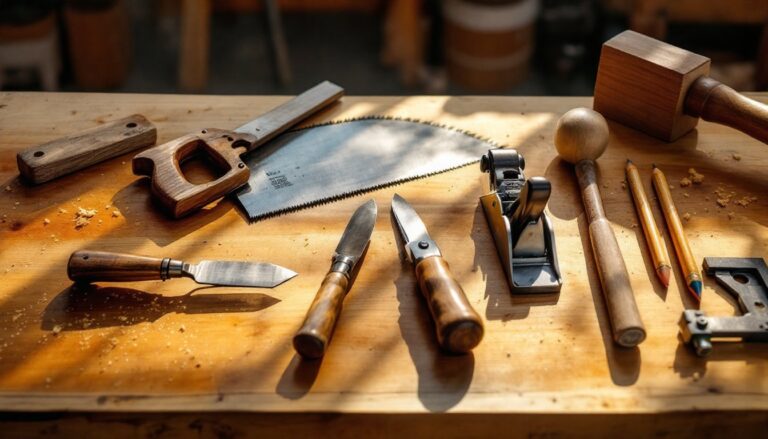
When it comes to electrical work, hand tools are our best friends. They’re the basics, yet they pack a punch. So what do we need? First on the list is a trusty pair of needle nose pliers. These allow for precision and control when we’re dealing with tricky wires. Next up, wire strippers are crucial. No one wants to mess up insulation during a project. Properly stripped wires ensure safe and efficient connections.
Of course, we can’t forget about a quality screwdriver set. Both flathead and Phillips head screws pop up everywhere in our kits, making this tool a must-have. Adding to our toolbox, we need a good set of hex keys for those pesky nuts and bolts that pop up unexpectedly. Scissors might seem odd for an electrical toolbox, but they’ll serve us well when trimming zip ties or tape.
Let’s wrap this section up by mentioning a reliable multimeter. This gadget is essential for testing voltages, continuity, and so much more, monitoring the health of our electrical systems will always save us time and headaches.
Power Tools for Electrical Work
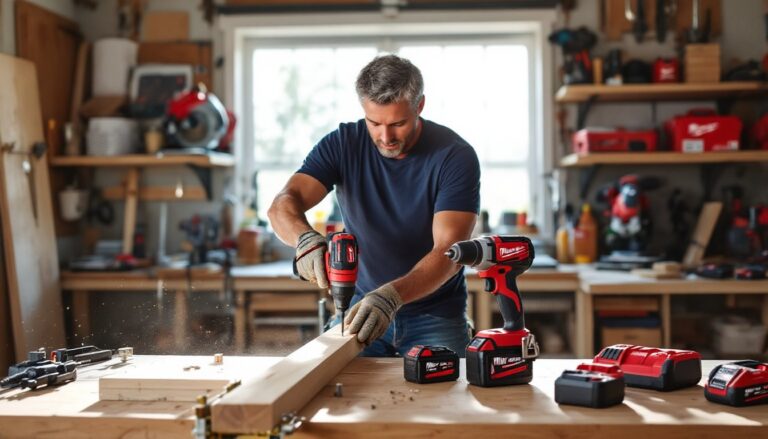
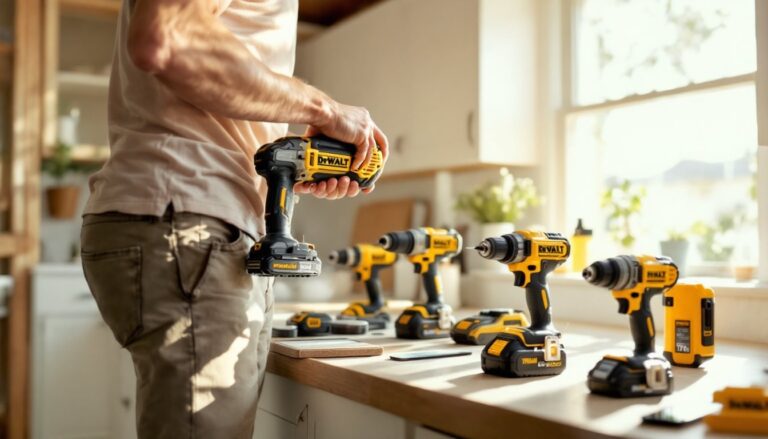
Now for the fun stuff, power tools. These magnificent machines turn our hard work into accomplished tasks quicker than you can say “power up.” Starting with the drill, it’s our go-to for making holes. Cordless drills, in particular, are our best friends in tight spaces or when we need versatility.
Next on the list is the impact driver. This tool will change how we handle screws. With its fast rotation and consistent torque, they practically work on their own. Trust us, once you’ve used an impact driver, you’ll wonder how you ever lived without one.
No electrical workshop is complete without a circular saw. Whether we’re making precise cut lines or ripping through lumber, this tool is invaluable. Want to wire something longer? A jigsaw is a great partner for intricate cuts and curves.
Remember, power tools save us time, but they also require respect and understanding. Treat them right and they’re sure to treat us back.
Safety Equipment and Gear
As thrilling as this workshop journey is, we must prioritize safety. Let’s talk safety gear, it’s our first line of defense. Goggles are a must for protecting our eyes from flying debris while cutting or drilling. We should also invest in good-quality gloves. They’ll not only shield our hands but also provide us a better grip while working.
Ear protection is another non-negotiable item when working with loud tools. Let’s face it, nothing says smart like keeping our hearing intact. And, of course, don’t overlook dust masks. They protect our lungs from inhaling any fine particles, so we’re not just sniffling in the corner.
Before we jump into work, let’s double-check that our workspace is clear of any hazards. A clean workspace contributes directly to safety: no one wants to trip over a stray cord or tool.
Organizing Your Electrical Workshop
An organized workshop isn’t just a neat idea, it’s a game changer. We all know that the right tool at the right time makes our projects run smoothly. First, let’s consider storage. Shelves are fantastic for keeping materials accessible, while drawers can house smaller items. Various containers or bins can also help organize screws, wires, and other essentials.
Using a pegboard system can maximize vertical space. We can hang tools where they’re visible and easily reachable, reducing the chances of misplacing anything. Colour coding items isn’t merely aesthetic: it also enhances efficiency. With just a glance, we’ll know exactly where everything is.
Labeling helps too. A simple label can save us time searching for that elusive screwdriver when we could be diving straight into our project.
Maintenance and Care for Tools
So we’ve equipped ourselves with these marvelous tools. But that’s not the end of our journey. Proper maintenance extends the life of our electrical workshop tools. Regular cleaning is crucial. After every use, it’s wise to wipe down tools to prevent rust and grime accumulation.
For power tools, we should follow manufacturer recommendations for lubrication and inspection. Consistent checks ensure everything is in good working condition, which might reduce the chances of tool failure mid-project.
Finally, remember to store tools properly. Keeping them in a dry environment, away from dust and moisture, will keep them operating smoothly. Some tools like drills and saws benefit from protective cases or sheaths, protecting them from accidental damage.