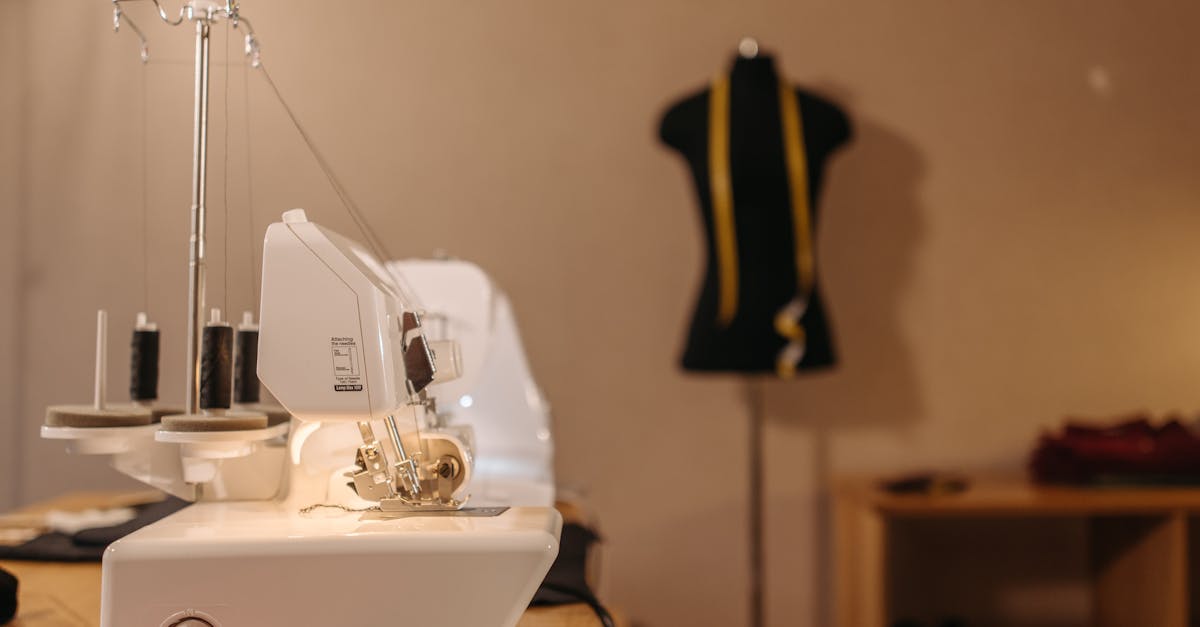
Have you ever tried to build something only to end up with a crooked shelf or wobbly table? We’ve all been there. In the exhilarating world of workshops, measuring tools can make or break our projects. Whether you’re a seasoned pro or a weekend warrior, having the right tools at your disposal is crucial. Buckle up, because we’re diving deep into the realm of measuring tools and what makes them tick.
Table of Contents
ToggleTypes Of Measuring Tools
Precision Measuring Instruments
When it comes to accuracy, precision measuring instruments steal the show. Think calipers, micrometers, and laser measures. These tools are designed for those precise measurements that can take your woodworking or metalworking projects from amateur to expert. Calipers allow us to measure internal and external dimensions with incredible accuracy, while micrometers offer even finer measurements down to the thousandths of an inch. Laser measures, on the other hand, make measuring large distances a breeze, saving us time and effort.
Basic Measuring Tools
Let’s not forget the basics. We all know the trusty tape measure. It’s like the Swiss Army knife of the measuring world. Easy to use, portable, and available in various lengths, it’s perfect for quick measurements around the workshop. Rulers and yardsticks also play essential roles, especially when we need straight lines or reference marks. And then there’s the square, literally a right angle’s best friend, ensuring that our cuts are as sharp as our skills.
Digital vs. Analog Measuring Tools
Now, let’s tackle the age-old debate: digital versus analog measuring tools. Both have their perks, but we can’t ignore how digital tools have made our lives easier. Digital calipers provide instant readouts, leaving no room for misinterpretation (goodbye, reading glasses.). They often come with features like memory functions and conversions, making calculations a breeze.
On the flip side, analog tools, like classic tape measures and mechanical calipers, have their own charm. There’s something satisfying about moving a slider or reading a dial. They don’t rely on batteries, which means they’re always ready to go. So, whether we’re feeling modern or nostalgic, we can find a measuring tool that fits our style.
Choosing The Right Measuring Tool
Choosing the right measuring tool can feel overwhelming with so many options. We should first consider what task we need it for. Are we measuring a small part in a detailed project? A caliper might be our best friend. Need to measure a large item, perhaps a piece of furniture? A longer tape measure will do the job.
Also, we should think about precision versus convenience. While digital tools offer accuracy and instant results, sometimes the simplicity of an analog tool can meet our needs just fine. Assessing what we’re measuring and how often we’ll use the tool will help us make an well-informed choice.
Best Practices For Using Measuring Tools
Using measuring tools the right way can save us a world of frustration. First, always ensure our tools are calibrated correctly. A wrong measurement can lead to costly mistakes. When measuring, we should hold the tool steady, using both hands if necessary, to avoid parallax errors.
It’s also essential to document our measurements clearly. Jotting down numbers and notes can help us keep track of everything, especially on larger projects. Finally, don’t rush. Taking our time to measure accurately will pay off in the long run. Quality work is worth the wait.
Maintaining Your Measuring Tools
Maintenance is often the unsung hero of measuring tools. We need to treat our tools with care if we want them to last. This means cleaning them regularly and storing them in protective cases to prevent damage. Using tools properly, like not forcing a caliper beyond its limits, can also prolong their life.
Also, we should check for wear and tear frequently. A worn-out tool can lead to inaccurate measurements and eventually compromise our projects. Taking the time to maintain our equipment ensures we’re always ready to tackle our next big challenge.